
Fall Prevention and Protecting Your Feet

Fall prevention is important because a sudden slip or trip can cause more than a bruise. Falls may lead to foot and ankle injuries, including sprains and tendon strains. Pain, swelling, and difficulty walking are common symptoms after an injury. Keeping walking areas clear and well lit can make a meaningful difference.

Foot problems after a fall can range from soreness to injuries requiring medical attention. A twisted ankle can stretch ligaments, while a hard landing may fracture a bone. Workers may be vulnerable when floors are wet or cluttered. Employers should provide safe, clean environments for workers and address hazards promptly. Guard rails and sturdy railing should be available near stairs, ramps, and other areas where extra support is needed.


Preventing falls starts with practical safety habits. Wear properly-fitted shoes with supportive soles and avoid slippery surfaces whenever possible. Keep walkways free from cords, boxes, and other obstacles. Use guard rails when climbing stairs and hold the railing for added stability. Workers should follow workplace safety procedures and report unsafe conditions. Regular foot care can also help people recognize pain or weakness that could affect balance. A careful approach can help prevent avoidable falls and protect healthy movement at home or work. Planning ahead can also help reduce stress and prevent rushed movements every day.


If you fall and injure your foot or ankle, a podiatrist can evaluate the injury and determine appropriate treatment. The examination may include checking swelling, tenderness, and the ability to bear weight. X-rays may be recommended when a fracture is suspected. Treatment can include immobilization or supportive footwear based on the injury. Follow-up visits help monitor healing. If you have incurred a foot or ankle injury from falling, it is suggested that you consult a podiatrist for an accurate diagnosis and appropriate treatment.

Preventing falls among the elderly is very important. If you are older and have fallen or fear that you are prone to falling, consult with one of our podiatrists from Southwest Podiatry. Our doctors will assess your condition and provide you with quality advice and care.

Every 11 seconds, an elderly American is being treated in an emergency room for a fall related injury. Falls are the leading cause of head and hip injuries for those 65 and older. Due to decreases in strength, balance, senses, and lack of awareness, elderly persons are very susceptible to falling. Thankfully, there are a number of things older persons can do to prevent falls.

How to Prevent Falls

Some effective methods that older persons can do to prevent falls include:

  • Enrolling in strength and balance exercise program to increase balance and strength
  • Periodically having your sight and hearing checked
  • Discuss any medications you have with a doctor to see if it increases the risk of falling
  • Clearing the house of falling hazards and installing devices like grab bars and railings
  • Utilizing a walker or cane
  • Wearing shoes that provide good support and cushioning
  • Talking to family members about falling and increasing awareness

Falling can be a traumatic and embarrassing experience for elderly persons; this can make them less willing to leave the house, and less willing to talk to someone about their fears of falling. Doing such things, however, will increase the likelihood of tripping or losing one’s balance. Knowing the causes of falling and how to prevent them is the best way to mitigate the risk of serious injury.  

If you have any questions, please feel free to contact our offices located in Dallas, and Carrollton, TX . We offer the newest diagnostic and treatment technologies for all your foot care needs.
Read more about Falls Prevention

Bunions and How Podiatrists Treat Them

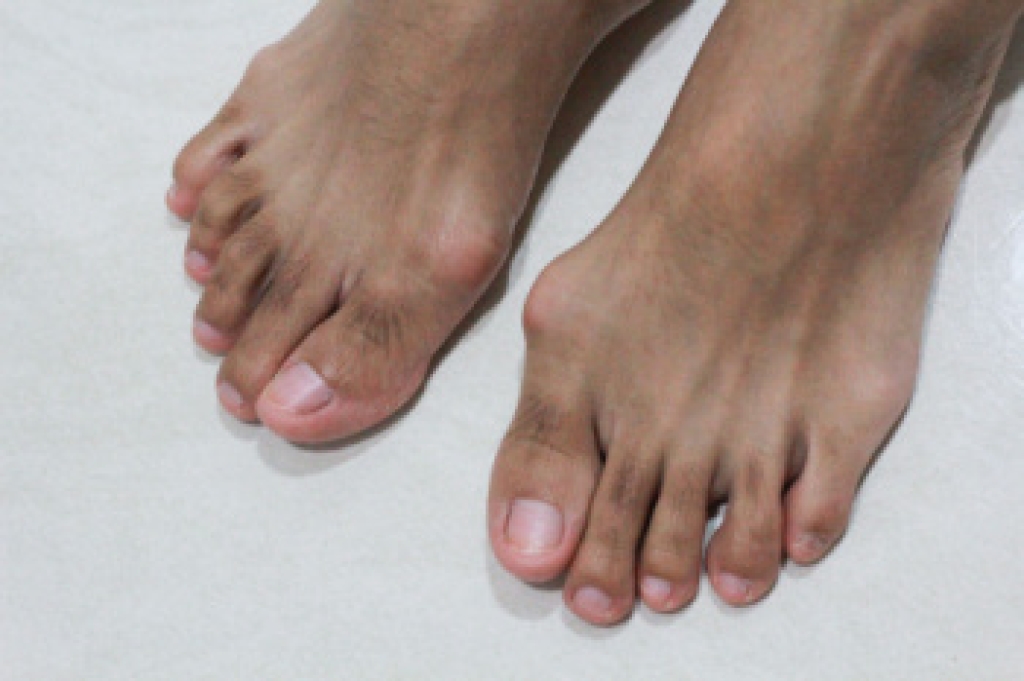
A bunion is a bony bump that forms at the base of the big toe. It develops as the top of the big toe shifts toward the second toe, pushing the joint out of alignment. The bump can become red, swollen, and tender. Other symptoms include aching pain, stiffness, and a burning feeling. Some patients also develop corns where the toes rub together. Bunions can limit shoe choices and make walking difficult. The condition tends to progress gradually, although the rate of change differs among patients. Some bunions remain painless, while others interfere with work, exercise, or performing daily activities.

An inherited foot structure is a factor in bunion development. Certain foot shapes place extra stress on the joint at the base of the big toe. Shoes with a narrow toe box do not directly create the deformity, but they often place added pressure on the area. Wearing high heels may also crowd the toes and worsen discomfort. Because a bunion involves changes in bone alignment, the visible bump does not disappear on its own. Seeking help from a podiatrist when symptoms begin can help to protect the joint.

A podiatrist can examine the foot, assess joint movement, and observe how the patient walks. X-rays can show the position of the bones and the severity of the bunion. Treatment is based on the patient’s pain, activity level, and joint condition. A podiatrist can recommend fitted shoes with a wide toe box. Treatment also includes protective padding or custom orthotics to reduce pressure and improve foot function. When these measures do not provide enough relief, the podiatrist can discuss whether surgery is appropriate. Bunion surgery can realign the bones, correct damaged tissues, and reduce pain. The procedure selected depends on the bunion’s structure and severity. If you are experiencing pain from a bunion, it is suggested that you schedule an appointment with a podiatrist for effective relief, treatment, and management solutions.

If you are suffering from bunion pain, contact one of our podiatrists of Southwest Podiatry. Our doctors can provide the care you need to keep you pain-free and on your feet.

What Is a Bunion?

Bunions are painful bony bumps that usually develop on the inside of the foot at the joint of the big toe. As the deformity increases over time, it may become painful to walk and wear shoes. Women are more likely to exacerbate existing bunions since they often wear tight, narrow shoes that shift their toes together. Bunion pain can be relieved by wearing wider shoes with enough room for the toes.

Causes

  • Genetics – some people inherit feet that are more prone to bunion development
  • Inflammatory Conditions - rheumatoid arthritis and polio may cause bunion development

Symptoms

  • Redness and inflammation
  • Pain and tenderness
  • Callus or corns on the bump
  • Restricted motion in the big toe

In order to diagnose your bunion, your podiatrist may ask about your medical history, symptoms, and general health. Your doctor might also order an x-ray to take a closer look at your feet. Nonsurgical treatment options include orthotics, padding, icing, changes in footwear, and medication. If nonsurgical treatments don’t alleviate your bunion pain, surgery may be necessary.

If you have any questions, please feel free to contact our offices located in Dallas, and Carrollton, TX . We offer the newest diagnostic and treatment technologies for all your foot care needs.
Read more about What Are Bunions?

Reminder: When Was the Last Time...?

Custom orthotics, or shoe inserts, should be periodically replaced. Orthotics must fit properly to give you the best results. Protect your feet and ankles!

Athlete’s Foot Symptoms and Podiatric Care

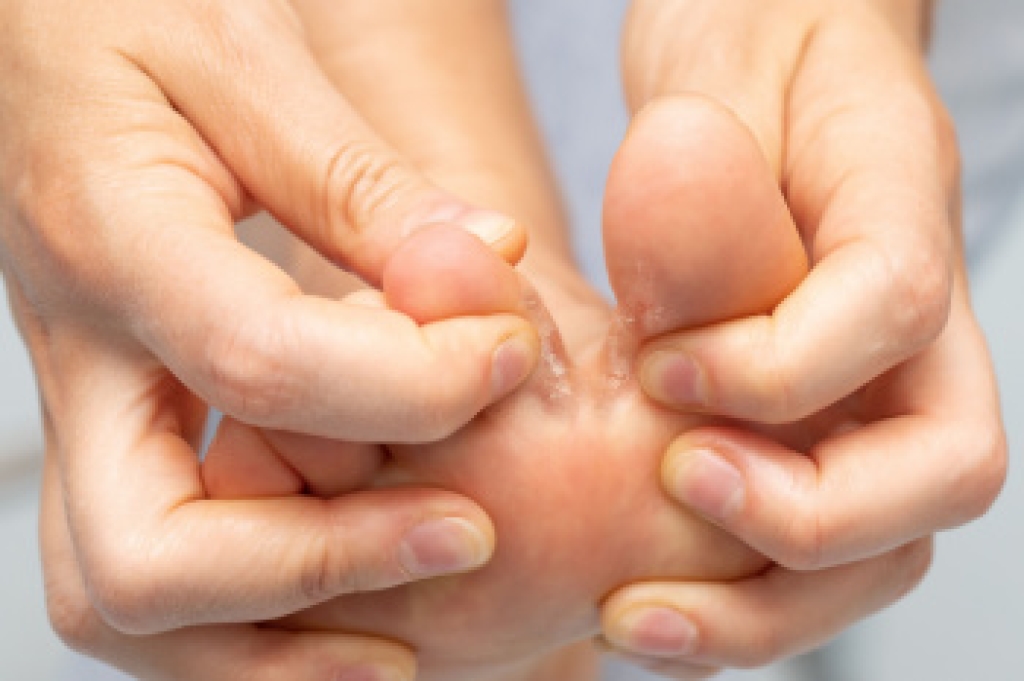
Athlete’s foot can cause more than temporary irritation. This fungal infection affects the skin of the feet and commonly develops between the toes. Shoes can create a warm, dark, and moist environment that allows fungus to grow. Damp areas around pools, showers, and locker rooms can also expose feet to the fungus. The condition can cause dry-looking skin, itching, or scaling. Some patients develop swelling or blisters that can leave the skin cracked and sore. Athlete’s foot can also spread to the soles of the feet and toenails.

Recognizing the signs can help a podiatrist determine whether athlete’s foot is causing the skin changes. Other skin conditions can look similar, so an accurate diagnosis is important. A podiatrist can examine the affected area and determine whether a fungal infection is present. Treatment can include antifungal medication, which works against the fungus causing the infection. Depending on the location and severity of the infection, medication can be applied directly to the skin or taken by mouth. A podiatrist can also create a treatment plan based on the patient’s symptoms and how the infection has responded to previous care.

Prompt attention can be especially helpful when symptoms continue or spread to other areas of the feet. Athlete’s foot can affect the toenails and can spread to other parts of the body through scratching and touching. A podiatrist can help identify the source of persistent symptoms and determine the appropriate treatment. Podiatric care can also help distinguish athlete’s foot from another condition that causes similar skin changes. Patients should seek evaluation when symptoms do not improve with appropriate care or when the infection continues to return. If you have symptoms of athlete's foot, it is suggested that you promptly schedule an appointment with a podiatrist for effective relief and treatment solutions.

Athlete’s foot is an inconvenient condition that can be easily reduced with the proper treatment. If you have any concerns about your feet and ankles, contact one of our podiatrists from Southwest Podiatry.  Our doctors will treat your foot and ankle needs.

Athlete’s Foot: The Sole Story

Athlete's foot, also known as tinea pedis, can be an extremely contagious foot infection. It is commonly contracted in public changing areas and bathrooms, dormitory style living quarters, around locker rooms and public swimming pools, or anywhere your feet often come into contact with other people.

Solutions to Combat Athlete’s Foot

  • Hydrate your feet by using lotion
  • Exfoliate
  • Buff off nails
  • Use of anti-fungal products
  • Examine your feet and visit your doctor if any suspicious blisters or cuts develop

Athlete’s foot can cause many irritating symptoms such as dry and flaking skin, itching, and redness. Some more severe symptoms can include bleeding and cracked skin, intense itching and burning, and even pain when walking. In the worst cases, Athlete’s foot can cause blistering as well. Speak to your podiatrist for a better understanding of the different causes of Athlete’s foot, as well as help in determining which treatment options are best for you.

If you have any questions please feel free to contact our offices located in Dallas, and Carrollton, TX . We offer the newest diagnostic and treatment technologies for all your foot and ankle needs.

Read more about Athlete's Foot

Exercises That Help Ease Plantar Fasciitis Pain

Plantar fasciitis causes pain when the thick band of tissue along the bottom of the foot becomes irritated. This band, called the plantar fascia, supports the arch and helps the foot handle pressure. Pain is usually strongest near the heel and can feel sharp with the first steps after rest. Gentle foot exercises can loosen tight tissue, improve flexibility, and strengthen muscles that support the feet. Exercise should not cause increasing pain. Patients should stop an exercise that worsens symptoms and ask a podiatrist for guidance.

Several gentle stretches can improve flexibility in the plantar fascia and nearby muscles. Seated stretches that draw the toes toward the shin help loosen the tissue along the sole. Standing stretches can target the bottom of the foot while keeping the heel firmly on the floor. Calf stretches also reduce tightness that can place added strain on the plantar fascia. Each movement should be slow and controlled, without bouncing or forcing the foot into an uncomfortable position. A podiatrist can recommend suitable stretches and explain how frequently they should be performed.

Strengthening exercises help the foot manage stress more effectively. For heel raises, stand near a stable surface and slowly rise onto the toes. Pause, then lower the heels in a controlled motion. Start with a few repetitions and increase them gradually as comfort allows. A podiatrist can examine foot structure, walking patterns, and the location of pain. The podiatrist can also determine whether the exercises are appropriate and show the patient how to perform them safely. Treatment can include custom orthotics, supportive taping, or recommendations for shoes that provide proper support. These measures can reduce pressure on the plantar fascia while exercise improves strength and movement. If you have symptoms of plantar fasciitis, it is suggested that you schedule an appointment with a podiatrist for a diagnosis and appropriate treatment.

Exercising your feet regularly with the proper foot wear is a great way to prevent injuries and build strength. If you have any concerns about your feet, contact one of our podiatrists from Southwest Podiatry. Our doctors can provide the care you need to keep you pain-free and on your feet.

Exercise for Your Feet

Exercise for your feet can help you gain strength, mobility and flexibility in your feet. They say that strengthening your feet can be just as rewarding as strengthening another part of the body. Your feet are very important, and we often forget about them in our daily tasks. But it is because of our feet that are we able to get going and do what we need to. For those of us fortunate enough to not have any foot problems, it is an important gesture to take care of them to ensure good health in the long run.

Some foot health exercises can include ankle pumps, tip-toeing, toe rises, lifting off the floor doing reps and sets, and flexing the toes. It is best to speak with Our doctors to determine an appropriate regimen for your needs. Everyone’s needs and bodies are different, and the activities required to maintain strength in the feet vary from individual to individual. 

Once you get into a routine of doing regular exercise, you may notice a difference in your feet and how strong they may become.

If you have any questions, please feel free to contact our offices located in Dallas, and Carrollton, TX . We offer the newest diagnostic and treatment technologies for all your foot care needs.

Read more about Exercise for Your Feet

Connect With Us

Advanced Podiatric Procedures & Services in the Dallas County, TX: Dallas (Garland, Richardson, Addison, Zacha Junction, Highland Park, University Park, Rowlett, Coppell) and Irving (Grand Prairie, Cockrell Hill); Tarrant County, TX: Arlington, Euless, Bedford, Hurst, Colleyville; Collin County, TX: Carrollton (Plano, Frisco), and Denton County, TX: Lewisville, The Colony, Hackberry, Little Elm, Highland Village areas