Common Types of Foot Pain

Foot pain can develop from a variety of conditions that affect comfort and mobility. A bunion is a bony prominence at the base of the big toe, often caused by joint misalignment and pressure from footwear. Corns are thickened areas of skin that form due to repeated friction or pressure on the toes or soles. Gout is an inflammatory condition caused by a buildup of uric acid in the joints, leading to sudden swelling and severe pain, commonly in the big toe. Plantar warts are small growths on the bottom of the foot caused by a viral infection entering through tiny skin breaks. A podiatrist can accurately diagnose each condition, relieve pain, and provide targeted treatment and prevention strategies. If foot pain is affecting your daily life, it is suggested that you schedule a visit with a podiatrist who can provide effective relief and treatment solutions.

Foot Pain

Foot pain can be extremely painful and debilitating. If you have a foot pain, consult with one of our podiatrists from Southwest Podiatry. Our doctors will assess your condition and provide you with quality foot and ankle treatment.

Causes

Foot pain is a very broad condition that could be caused by one or more ailments. The most common include:

  • Bunions
  • Hammertoes
  • Plantar Fasciitis
  • Bone Spurs
  • Corns
  • Tarsal Tunnel Syndrome
  • Ingrown Toenails
  • Arthritis (such as Gout, Rheumatoid, and Osteoarthritis)
  • Flat Feet
  • Injury (from stress fractures, broken toe, foot, ankle, Achilles tendon ruptures, and sprains)
  • And more

Diagnosis

To figure out the cause of foot pain, podiatrists utilize several different methods. This can range from simple visual inspections and sensation tests to X-rays and MRI scans. Prior medical history, family medical history, and any recent physical traumatic events will all be taken into consideration for a proper diagnosis.

Treatment

Treatment depends upon the cause of the foot pain. Whether it is resting, staying off the foot, or having surgery; podiatrists have a number of treatment options available for foot pain.

If you have any questions, please feel free to contact our offices located in Dallas, and Carrollton, TX . We offer the newest diagnostic and treatment technologies for all your foot care needs.

Read more about Foot Pain

Do You Suffer From Painful Feet?

Painful deformities, such as hammertoes, can be treated. Stop living with foot pain, and have beautiful feet again!

Keeping Your Feet Healthy While Standing All Day at Work

Standing all day at work can place significant stress on the feet and lead to soreness, fatigue, and increased foot perspiration. Prolonged standing in one position may reduce circulation and strain muscles and joints. Wearing proper shoes is essential for providing support, cushioning, and breathability to reduce discomfort and moisture buildup. Prevention also includes changing static positioning, shifting weight between feet frequently, and allowing muscles to stay active. These habits can help minimize pressure and improve overall foot comfort throughout the workday. When pain or persistent issues develop, a podiatrist can evaluate foot health, recommend supportive footwear, and create personalized treatment plans. If you experience foot pain during your work day, it is suggested that you consult a podiatrist who can guide you toward effective relief and treatment strategies.

While working on the feet, it is important to take the proper care of them. For more information about working on your feet, contact one of our podiatrists from Southwest Podiatry. Our doctors will treat your foot and ankle needs.

Working on Your Feet

Standing on your feet for long periods of time can cause stress and pain in your feet. Your whole body may experience change in terms of posture, back pain, bunions, callouses and or plantar warts. There are ways to avoid these conditions with proper foot care, smart choices and correct posture.

Positive Changes

Negative heeled shoe – Choosing this shoe type places the heel slightly lower than the ball of the foot. These are great for overall foot health. Find shoes that fit you correctly.

Go barefoot – Our feet were not designed to be enclosed for all hours of the day. Try to periodically expose your feet to air.

Eliminate Pain

Foot Exercises – Performing simple exercises, incorporating yoga and doing stretches are beneficial. This will allow increased blood flow to the area and muscles of the foot.

Achilles tendon – Stretching the foot out flat on the floor will relax the calf muscles and tendon. These exercises can be performed almost anywhere. Make sure you add these exercises to your daily regimen. 

With a little bit of this information and knowing more about foot health, you will notice changes. Foot stretches and proper footwear will help with pain and prevent further issues.

If you have any questions please contact our offices located in Dallas, and Carrollton, TX . We offer the newest diagnostic and treatment technologies for all your foot and ankle needs.

Read more about Working on Your Feet

Understanding Clubfoot and Early Care Options

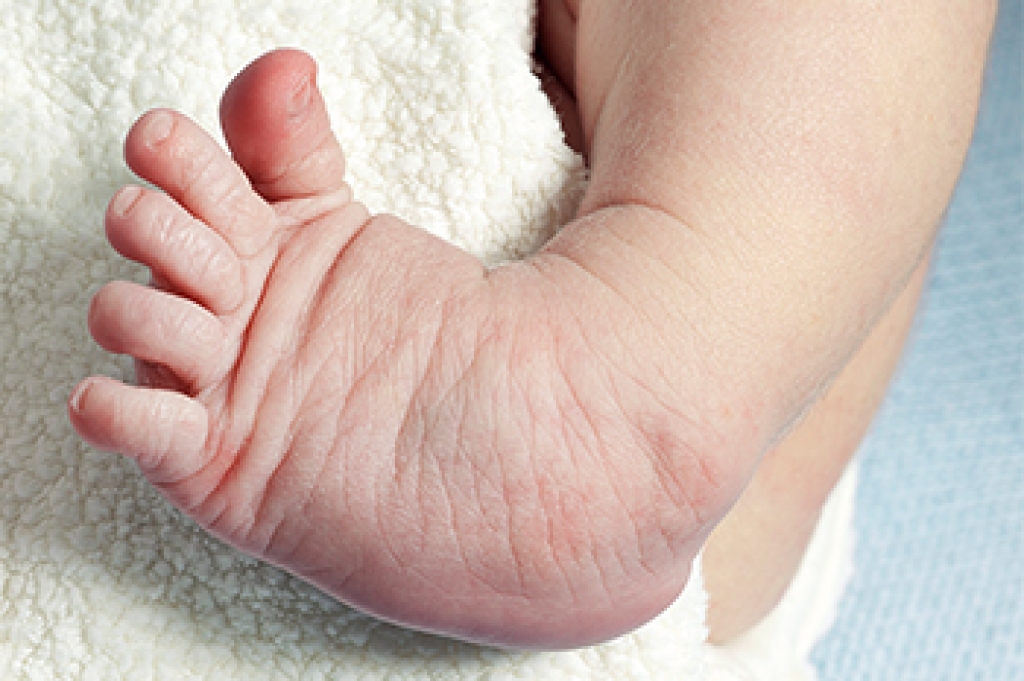
Clubfoot is a congenital foot condition in which a newborn foot appears twisted inward and downward due to abnormal development of muscles, tendons, and bones. Risk increases with family history, limited space in the womb, or certain neuromuscular conditions. Common signs include a visibly rotated foot, stiffness, and differences in calf muscle size as a child grows. Although clubfoot does not cause pain at birth, it can affect walking and long-term mobility if left untreated. A podiatrist plays an important role in early diagnosis and personalized treatment, which may include gentle stretching, casting, bracing, and ongoing monitoring to support healthy foot alignment and function. Early intervention leads to excellent outcomes and improved quality of life. If your child has been born with clubfoot, it is suggested that you include a podiatrist on your health care team to begin a confident path toward proper foot development.

Congenital foot problems require immediate attention to avoid future complications. If you have any concerns, contact one of our podiatrists of Southwest Podiatry. Our doctors can provide the care you need to keep you pain-free and on your feet.

Congenital foot problems are deformities affecting the feet, toes, and/or ankles that children are born with. Some of these conditions have a genetic cause while others just happen. Some specific foot ailments that children may be born with include clubfeet, polydactyly/macrodactyly, and cleft foot. There are several other foot anomalies that can occur congenitally. What all of these conditions have in common is that a child may experience difficulty walking or performing everyday activities, as well as trouble finding footwear that fits their foot deformity. Some of these conditions are more serious than others. Consulting with a podiatrist as early as possible will help in properly diagnosing a child’s foot condition while getting the necessary treatment underway.

What are Causes of Congenital Foot Problem?

A congenital foot problem is one that happens to a child at birth. These conditions can be caused by a genetic predisposition, developmental or positional abnormalities during gestation, or with no known cause.

What are Symptoms of Congenital Foot Problems?

Symptoms vary by the congenital condition. Symptoms may consist of the following:

  • Clubfoot, where tendons are shortened, bones are shaped differently, and the Achilles tendon is tight, causing the foot to point in and down. It is also possible for the soles of the feet to face each other.
  • Polydactyly, which usually consists of a nubbin or small lump of tissue without a bone, a toe that is partially formed but has no joints, or an extra toe.
  • Vertical talus, where the talus bone forms in the wrong position causing other bones in the foot to line up improperly, the front of the foot to point up, and the bottom of the foot to stiffen, with no arch, and to curve out.
  • Tarsal coalition, when there is an abnormal connection of two or more bones in the foot leading to severe, rigid flatfoot.
  • Cleft foot, where there are missing toes, a V-shaped cleft, and other anatomical differences.
  • Macrodactyly, when the toes are abnormally large due to overgrowth of the underlying bone or soft tissue.

Treatment and Prevention

While there is nothing one can do to prevent congenital foot problems, raising awareness and receiving neonatal screenings are important. Early detection by taking your child to a podiatrist leads to the best outcome possible.

If you have any questions, please feel free to contact our offices located in Dallas, and Carrollton, TX . We offer the newest diagnostic and treatment technologies for all your foot care needs.
Read more about Congenital Foot Problems

How Gout Affects the Feet

Gout is a form of inflammatory arthritis caused by a buildup of uric acid crystals within the joints. It often develops when the body produces excess uric acid or has difficulty eliminating it efficiently. Common causes include dietary factors, dehydration, and certain medical conditions, while risk factors may involve family history, obesity, kidney disease, and some medications. Gout frequently affects the feet, especially the big toe joint, leading to sudden pain, swelling, redness, and warmth that can make walking difficult. A podiatrist can diagnose gout, help manage acute flare ups, reduce joint stress, and provide guidance on footwear and preventive care. If you have symptoms of gout, it is strongly suggested that you are under the care of a podiatrist who can help you to manage this painful condition.

Gout is a painful condition that can be treated. If you are seeking treatment, contact one of our podiatrists from Southwest Podiatry. Our doctors will treat your foot and ankle needs.

What Is Gout?

Gout is a form of arthritis that is characterized by sudden, severe attacks of pain, redness, and tenderness in the joints. The condition usually affects the joint at the base of the big toe. A gout attack can occur at any random time, such as the middle of the night while you are asleep.

Symptoms

  • Intense Joint Pain - Usually around the large joint of your big toe, and it most severe within the first four to twelve hours
  • Lingering Discomfort - Joint discomfort may last from a few days to a few weeks
  • Inflammation and Redness -Affected joints may become swollen, tender, warm and red
  • Limited Range of Motion - May experience a decrease in joint mobility

Risk Factors

  • Genetics - If family members have gout, you’re more likely to have it
  • Medications - Diuretic medications can raise uric acid levels
  • Gender/Age - Gout is more common in men until the age of 60. It is believed that estrogen protects women until that point
  • Diet - Eating red meat and shellfish increases your risk
  • Alcohol - Having more than two alcoholic drinks per day increases your risk
  • Obesity - Obese people are at a higher risk for gout

Prior to visiting your podiatrist to receive treatment for gout, there are a few things you should do beforehand. If you have gout you should write down your symptoms--including when they started and how often you experience them, important medical information you may have, and any questions you may have. Writing down these three things will help your podiatrist in assessing your specific situation so that he or she may provide the best route of treatment for you.

If you have any questions, please feel free to contact our offices located in Dallas, and Carrollton, TX . We offer the newest diagnostic and treatment technologies for all your foot care needs.

Read more about Everything You Need to Know About Gout

Connect With Us

Advanced Podiatric Procedures & Services in the Dallas County, TX: Dallas (Garland, Richardson, Addison, Zacha Junction, Highland Park, University Park, Rowlett, Coppell) and Irving (Grand Prairie, Cockrell Hill); Tarrant County, TX: Arlington, Euless, Bedford, Hurst, Colleyville; Collin County, TX: Carrollton (Plano, Frisco), and Denton County, TX: Lewisville, The Colony, Hackberry, Little Elm, Highland Village areas