
Finding the Right Shoe Fit

Proper shoe fit plays an important role in keeping the feet comfortable and reducing the risk of developing problems.  Wearing shoes that are too narrow or tight can place unnecessary pressure on the feet. A well-fitting shoe should match the natural shape of the foot rather than forcing the foot into an uncomfortable position. Shoe sizes can vary between brands and styles, so the number printed inside a shoe does not always determine whether it fits correctly. Both feet should also be measured because one foot may be larger than the other. Choosing footwear based on the larger foot can provide a more comfortable fit.


Several features can help determine whether footwear fits and functions properly. Stability is important because the foot should not roll or twist too easily inside the shoe. Cushioning can help absorb shock, while proper support allows the bottom of the foot to sit comfortably against the footbed. There should also be enough space between the longest toe and the end of the shoe. Foot shape matters as well. Someone with a wide or square-shaped foot may need a different fit than someone with a long or narrow foot shape. Shoes should feel comfortable when first worn rather than relying on them to become comfortable later.


A podiatrist can evaluate foot structure and identify problems that may make finding properly fitting shoes more difficult. Foot type can affect footwear needs, especially when the foot is either particularly flexible or rigid. A podiatrist can also assess areas of pressure and determine whether additional support may be appropriate. In some cases, an orthotic device or custom insole may help the foot sit more securely against the shoe’s footbed. Proper footwear can support foot comfort and healthy movement throughout daily activities. If poorly fitting shoes are contributing to ongoing foot pain or discomfort, it is suggested that you consult a podiatrist for an evaluation and appropriate footwear recommendations.

Finding a properly-fitting shoe is important in reducing injuries and preventing foot problems. For more information about treatment, contact one of our podiatrists from Southwest Podiatry. Our doctors will treat your foot and ankle needs.

Proper Shoe Fitting

A common concern when it comes to foot health, having properly fitted shoes can help prevent injuries to the foot. Out feet affect our posture and gait, which in turn affects the biomechanics and overall bodily structure. With 33 joints, 26 bones, and over 100 ligaments, the potential for serious injury is much greater than one realizes. Although the feet cease growth in adulthood, they still change shape as they mature. Here are some factors to consider when it comes to investing in proper fitting shoes:

  • Be sure the shoes fit correctly right away
  • Ensure the ball of your foot fits comfortably in the widest portion of the shoes
  • Even though they may look fashionable, improper fitting shoes can either create adverse conditions or exacerbate existing ones you may already have
  • Walk along a carpeted surface to ensure the shoes comfortably fit during normal activity

Keeping in mind how shoes fit the biomechanics of your body, properly-fitting shoes are vitally important. Fortunately, it is not difficult to acquire footwear that fits correctly. Be sure to wear shoes that support the overall structure of your body. Do your feet a favor and invest in several pairs of well-fitted shoes today.

If you have any questions, please feel free to contact our offices located in Dallas, and Carrollton, TX . We offer the newest diagnostic and treatment technologies for all your foot care needs.
Read more about How to Get a Proper Shoe Fit

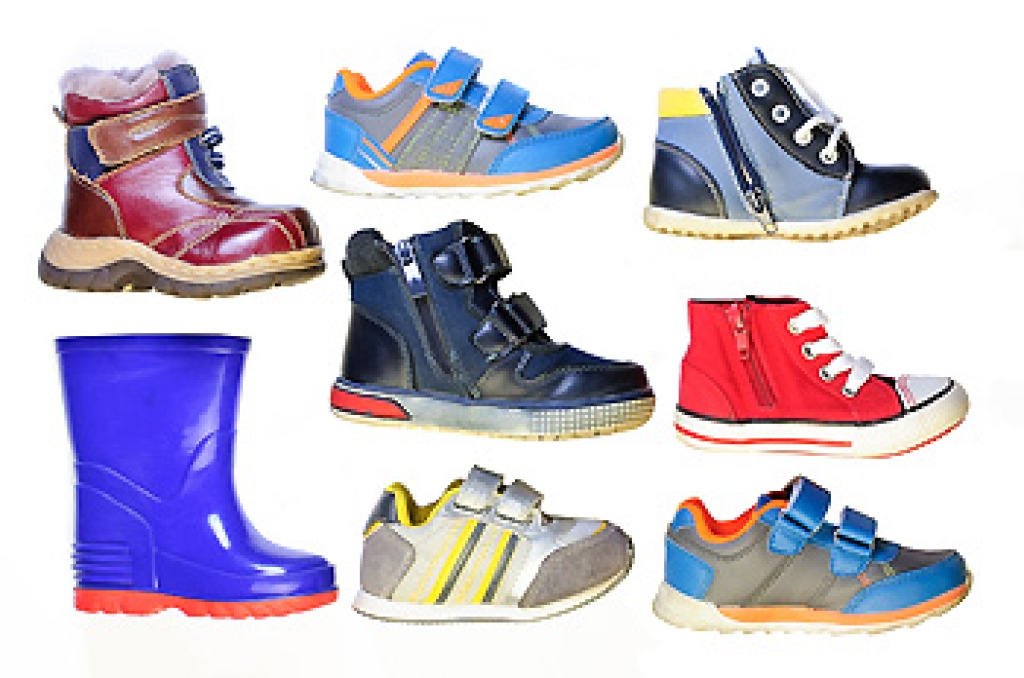
When Should Babies Start Wearing Shoes

Parents may wonder when babies should start wearing shoes. Before a child begins to walk, shoes are not necessary indoors. In fact, bare feet allow babies to feel the floor and practice foot movements. Most children begin walking sometime between nine and 18 months, although this varies. Once a baby starts taking independent steps, soft-sole baby shoes can provide protection while allowing movement. Shoes should fit without squeezing growing toes.

Soft-sole baby shoes are a choice for early walkers because they allow the feet to bend naturally. Look for flexible materials, a toe area, and a good fit. Supportive does not mean stiff. Early footwear should protect the feet while allowing movement. Wearing shoes that are too tight can create pressure and discomfort. Poorly fitting footwear may also cause blisters, rubbing, or changes in walking patterns. Parents should check shoe fit because feet grow quickly.


Healthy baby foot development depends on choosing the right shoes. Babies benefit from opportunities to crawl, stand, and walk. Walking barefoot indoors can help develop balance and foot awareness when the environment is safe. Risk factors for foot problems include wearing restrictive footwear, poorly fitted shoes, and prolonged use of rigid shoes. Watch for persistent pain, swelling, redness, or differences between the feet. These symptoms deserve professional attention.


A podiatrist can examine a child’s feet and ankles when concerns arise. The evaluation may include checking foot structure, movement, and walking development. If a problem is found, the podiatrist may recommend footwear changes, monitoring, or other age-appropriate treatment. Parents should avoid choosing rigid corrective shoes without professional guidance. With proper fit and healthy movement, early shoes can protect developing feet without limiting natural motion. If your baby needs shoes, it is suggested that you consult a podiatrist who can guide you on the correct shoes to purchase for your child's needs.

Making sure that your children maintain good foot health is very important as they grow. If you have any questions, contact one of our podiatrists of Southwest Podiatry. Our doctors can provide the care you need to keep you pain-free and on your feet.

Keeping Children's Feet Healthy

Having healthy feet during childhood can help prevent medical problems later in life, namely in the back and legs. As children grow, their feet require different types of care. Here are some things to consider...

Although babies do not walk yet, it is still very important to take care of their feet.

Avoid putting tight shoes or socks on his or her feet.

Allow the baby to stretch and kick his or her feet to feel comfortable.

As a toddler, kids are now on the move and begin to develop differently. At this age, toddlers are getting a feel for walking, so don’t be alarmed if your toddler is unsteady or ‘walks funny’. 

As your child gets older, it is important to teach them how to take care of their feet.

Show them proper hygiene to prevent infections such as fungus.

Be watchful for any pain or injury.

Have all injuries checked by a doctor as soon as possible.

Comfortable, protective shoes should always be worn, especially at play.

If you have any questions, please feel free to contact our offices located in Dallas, and Carrollton, TX . We offer the newest diagnostic and treatment technologies for all your foot care needs.

Read more about What to Do to Keep Your Child’s Feet Healthy

Connect With Us

Advanced Podiatric Procedures & Services in the Dallas County, TX: Dallas (Garland, Richardson, Addison, Zacha Junction, Highland Park, University Park, Rowlett, Coppell) and Irving (Grand Prairie, Cockrell Hill); Tarrant County, TX: Arlington, Euless, Bedford, Hurst, Colleyville; Collin County, TX: Carrollton (Plano, Frisco), and Denton County, TX: Lewisville, The Colony, Hackberry, Little Elm, Highland Village areas