
Understanding Plantar Wart Development

Plantar warts are caused by the human papillomavirus, or HPV, which enters the skin through tiny cuts or abrasions. These warts develop on the bottom of the foot, often in weight-bearing areas, such as the heel or ball of the foot. Unlike warts on other parts of the body, plantar warts grow inward due to pressure from walking and standing. This inward growth can make them painful and difficult to ignore. Understanding the cause and early signs of plantar warts is essential for preventing spread and seeking timely treatment.

Symptoms of plantar warts vary depending on their size and location. Many people notice a rough, grainy lesion on the sole of the foot. Some contain small black dots that are clotted blood vessels. Pain may feel like stepping on a small stone, especially while walking or applying pressure. The skin surrounding the wart can become thickened or callus-like. Some warts remain small and isolated, while others may multiply and spread across the foot, if left untreated.


There are two primary types of plantar warts: solitary and mosaic. A solitary wart appears as a single, well-defined lesion that may grow deeper into the skin over time. It often becomes more painful as it enlarges. Mosaic warts, on the other hand, develop as clusters of smaller warts grouped together in a patch. These are usually more superficial but can cover a larger area, making them more difficult to treat. Both types are caused by the same virus but differ in appearance and growth pattern, which can influence treatment decisions.


Risk factors for plantar warts include walking barefoot in public swimming pool areas, locker rooms, and communal showers. This is because the virus thrives in warm, moist environments. Individuals with a weakened immune system are more susceptible to infection and may experience more persistent or widespread warts. Minor skin injuries also increase the risk by providing entry points for the virus. Maintaining proper foot hygiene and wearing protective footwear can reduce exposure. If you have symptoms of a plantar wart, it is strongly suggested that you consult a podiatrist for effective relief and treatment solutions.

Plantar warts can be very uncomfortable. If you need your feet checked, contact one of our podiatrists from Southwest Podiatry. Our doctors will assist you with all of your foot and ankle needs.

About Plantar Warts

Plantar warts are the result of HPV, or human papillomavirus, getting into open wounds on the feet. They are mostly found on the heels or balls of the feet.

While plantar warts are generally harmless, those experiencing excessive pain or those suffering from diabetes or a compromised immune system require immediate medical care. Plantar warts are easily diagnosed, usually through scraping off a bit of rough skin or by getting a biopsy.

Symptoms

  • Lesions on the bottom of your feet, usually rough and grainy
  • Hard or thick callused spots
  • Wart seeds, which are small clotted blood vessels that look like little black spots
  • Pain, discomfort, or tenderness of your feet when walking or standing

Treatment

  • Freezing
  • Electric tool removal
  • Laser Treatment
  • Topical Creams (prescription only)
  • Over-the-counter medications

To help prevent developing plantar warts, avoid walking barefoot over abrasive surfaces that can cause cuts or wounds for HPV to get into. Avoiding direct contact with other warts, as well as not picking or rubbing existing warts, can help prevent the further spread of plantar warts. However, if you think you have developed plantar warts, speak to your podiatrist. He or she can diagnose the warts on your feet and recommend the appropriate treatment options.

If you have any questions, please feel free to contact our offices located in Dallas, and Carrollton, TX . We offer the newest diagnostic and treatment technologies for all your foot care needs.
Read more about Plantar Warts

Haglund’s Deformity and Heel Irritation

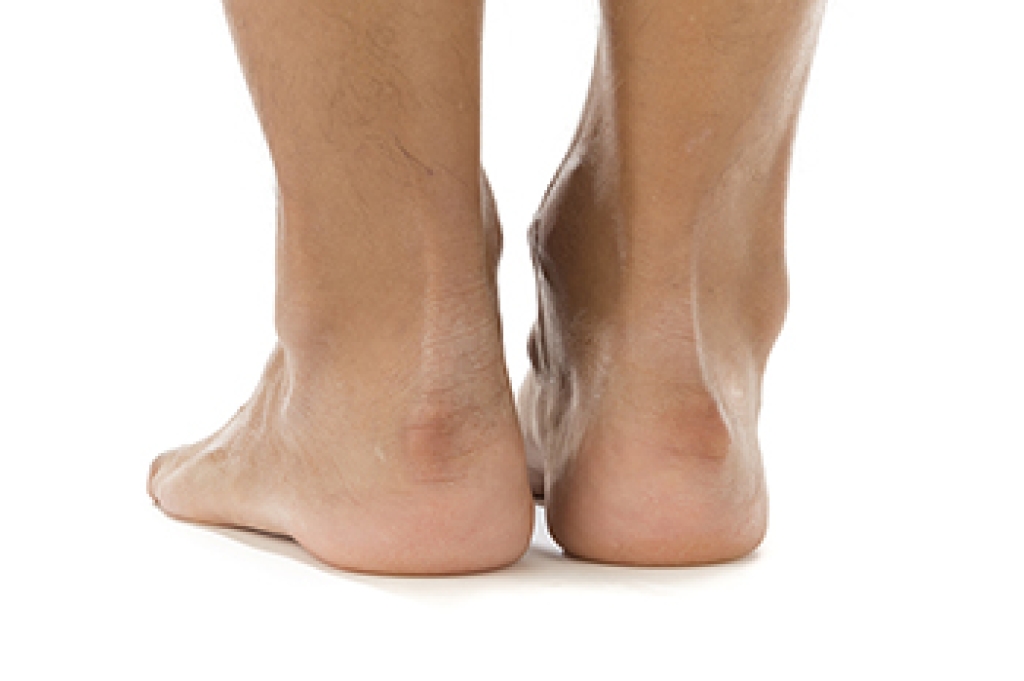
Haglund’s deformity involves a bony enlargement on the back of the heel that can lead to irritation and discomfort. This bump forms at the attachment of the Achilles tendon, which helps the foot point downward, and plays a key role in walking and movement. The condition is often aggravated by  wearing rigid or tight shoes that create repeated friction against the heel. The area may become red, swollen, and tender, and a noticeable bump may develop. Some individuals also experience inflammation of the surrounding soft tissue, making activity or certain footwear uncomfortable. A podiatrist can examine the shape of the heel and check for signs of irritation. Imaging tests may be used if more detail is needed. Treatment options include shoe modifications, padding, orthotics, and targeted exercises. More persistent cases may require advanced care. If you are experiencing heel pain related to Haglund’s deformity, it is suggested that you schedule an appointment with a podiatrist for an accurate diagnose and appropriate relief and treatment solutions.

Many people suffer from bouts of heel pain. For more information, contact one of our podiatrists of Southwest Podiatry. Our doctors can provide the care you need to keep you pain-free and on your feet.

Causes of Heel Pain

Heel pain is often associated with plantar fasciitis. The plantar fascia is a band of tissues that extends along the bottom of the foot. A rip or tear in this ligament can cause inflammation of the tissue.

Achilles tendonitis is another cause of heel pain. Inflammation of the Achilles tendon will cause pain from fractures and muscle tearing. Lack of flexibility is also another symptom.

Heel spurs are another cause of pain. When the tissues of the plantar fascia undergo a great deal of stress, it can lead to ligament separation from the heel bone, causing heel spurs.

Why Might Heel Pain Occur?

  • Wearing ill-fitting shoes                
  • Wearing non-supportive shoes
  • Weight change           
  • Excessive running

Treatments

Heel pain should be treated as soon as possible for immediate results. Keeping your feet in a stress-free environment will help. If you suffer from Achilles tendonitis or plantar fasciitis, applying ice will reduce the swelling. Stretching before an exercise like running will help the muscles. Using all these tips will help make heel pain a condition of the past.

If you have any questions, please feel free to contact our offices located in Dallas, and Carrollton, TX . We offer the newest diagnostic and treatment technologies for all your foot care needs.

Read more about Heel Pain

Ankle Fracture Causes and Recovery

An ankle fracture is a break in one or more of the bones that form the ankle joint, often causing pain, swelling, bruising, and difficulty bearing weight. It can appear suddenly after a fall, a sports injury, or a twisting motion that places stress on the joint beyond its limit. Common causes include missteps on uneven ground, high-impact activities, or accidents that force the ankle out of position. Recovery depends on the severity of the fracture, but proper diagnosis is essential. A podiatrist can evaluate the injury with imaging tests, determine if the bones are stable, and guide treatment such as immobilization or surgical repair. Care is focused on restoring alignment and preventing long- term issues. If you think you have fractured your ankle, it is suggested that you consult a podiatrist who can offer a diagnosis and effective treatment solutions.

Broken ankles need immediate treatment. If you are seeking treatment, contact one of our podiatrists from Southwest Podiatry. Our doctors can provide the care you need to keep you pain-free and on your feet. 

Broken Ankles
A broken ankle is experienced when a person fractures their tibia or fibula in the lower leg and ankle area. Both of these bones are attached at the bottom of the leg and combine to form what we know to be our ankle.

When a physician is referring to a break of the ankle, he or she is usually referring to a break in the area where the tibia and fibula are joined to create our ankle joint. Ankles are more prone to fractures because the ankle is an area that suffers a lot of pressure and stress. There are some obvious signs when a person experiences a fractured ankle, and the following symptoms may be present.

Symptoms of a Fractured Ankle

  • Excessive pain when the area is touched or when any pressure is placed on the ankle
  • Swelling around the area
  • Bruising of the area
  • Area appears to be deformed

If you suspect an ankle fracture, it is recommended to seek treatment as soon as possible. The sooner you have your podiatrist diagnose the fracture, the quicker you’ll be on the way towards recovery.

If you have any questions, please feel free to contact our offices located in Dallas, and Carrollton, TX . We offer the newest diagnostic and treatment technologies for all your foot care needs.

Read more about All About Broken Ankles

Remedies for Big Toe Joint Pain

Big toe joint pain can make walking difficult because this joint helps push the foot forward with each step. Pain in this area can develop from arthritis, bunions, or gout. Sports injuries like turf toe can also be a factor. Symptoms include stiffness, swelling, and pain when bending the toe while walking. Treatment depends on the type and severity of the condition. A podiatrist can examine the foot and use imaging tests to identify the source of pain. Treatment includes custom orthotics, wearing supportive footwear, and anti-inflammatory medication to reduce pressure on the joint. Some people benefit from stretching exercises that improve movement in the toe and foot. Other treatments include targeted exercises, joint injections, and padding that helps protect the area from excess pressure. When joint damage becomes severe, surgery can improve movement and reduce pain. If you have pain in the joint of your big toe, it is suggested that you schedule an appointment with a podiatrist for effective relief solutions.

Toe pain can disrupt your daily activities. If you have any concerns, contact one of our podiatrists of Southwest Podiatry. Our doctors can provide the care you need to keep you pain-free and on your feet.

What Causes Toe Pain?

Most severe toe pain is caused due to a sports injury, trauma from dropping something heavy on the toe, or bumping into something rigid. Other problems can develop over time for various reasons.

Toe pain can be caused by one or more ailments. The most common include:

  • Trauma
  • Sports injury
  • Wearing shoes that are too tight
  • Arthritis
  • Gout
  • Corns and calluses
  • Hammertoe
  • Bunions
  • Blisters
  • Ingrown toenails
  • Sprains
  • Fractures (broken bones)
  • Dislocations

When to See a Podiatrist

  • Severe pain
  • Persistent pain that lasts more than a week
  • Signs of infection
  • Continued swelling
  • Pain that prevents walking

Diagnosis

In many cases the cause of toe pain is obvious, but in others, a podiatrist may want to use more advanced methods to determine the problem. These can range from simple visual inspections and sensation tests to X-rays and MRI scans. Prior medical history, family medical history, and any recent physical traumatic events will all be taken into consideration for a proper diagnosis.

Treatment

Treatments for toe pain and injuries vary and may include shoe inserts, padding, taping, medicines, injections, and in some cases, surgery. If you believe that you have broken a toe, please see a podiatrist as soon as possible.

If you have any questions please contact our offices located in Dallas, and Carrollton, TX . We offer the newest diagnostic and treatment technologies for all your foot and ankle needs.

Read more about Toe Pain

Connect With Us

Advanced Podiatric Procedures & Services in the Dallas County, TX: Dallas (Garland, Richardson, Addison, Zacha Junction, Highland Park, University Park, Rowlett, Coppell) and Irving (Grand Prairie, Cockrell Hill); Tarrant County, TX: Arlington, Euless, Bedford, Hurst, Colleyville; Collin County, TX: Carrollton (Plano, Frisco), and Denton County, TX: Lewisville, The Colony, Hackberry, Little Elm, Highland Village areas