
What Can Cause Foot Pain During Exercise

Foot pain during exercise is a common complaint and can stem from several underlying issues. Repetitive impact from walking, running, or court sports places stress on bones, muscles, and soft tissues. Wearing poorly fitting shoes or footwear without proper support may increase pressure and strain, especially during high-impact activity. Overuse injuries such as plantar fasciitis, tendon irritation, and stress reactions often develop gradually and worsen with continued exercise. Structural factors like flat feet, high arches, or abnormal gait patterns can also affect how force is distributed through the foot. Sudden changes in activity level, intensity, or surface may overload tissues that are not yet conditioned. Addressing foot pain early helps prevent more serious injury. Rest, activity modification, stretching, and wearing supportive footwear are often helpful first steps. Orthotics may improve alignment and reduce strain during movement. When foot pain continues during or after exercise, it is suggested that you see a podiatrist for a proper diagnosis and appropriate treatment.

Exercising your feet regularly with the proper foot wear is a great way to prevent injuries and build strength. If you have any concerns about your feet, contact one of our podiatrists from Southwest Podiatry. Our doctors can provide the care you need to keep you pain-free and on your feet.

Exercise for Your Feet

Exercise for your feet can help you gain strength, mobility and flexibility in your feet. They say that strengthening your feet can be just as rewarding as strengthening another part of the body. Your feet are very important, and we often forget about them in our daily tasks. But it is because of our feet that are we able to get going and do what we need to. For those of us fortunate enough to not have any foot problems, it is an important gesture to take care of them to ensure good health in the long run.

Some foot health exercises can include ankle pumps, tip-toeing, toe rises, lifting off the floor doing reps and sets, and flexing the toes. It is best to speak with Our doctors to determine an appropriate regimen for your needs. Everyone’s needs and bodies are different, and the activities required to maintain strength in the feet vary from individual to individual. 

Once you get into a routine of doing regular exercise, you may notice a difference in your feet and how strong they may become.

If you have any questions, please feel free to contact our offices located in Dallas, and Carrollton, TX . We offer the newest diagnostic and treatment technologies for all your foot care needs.
Read more about Exercise for Your Feet

How Peripheral Artery Disease Affects the Feet

Peripheral artery disease, or PAD, occurs when narrowed arteries reduce blood flow to the legs and feet. This most often develops from plaque buildup along artery walls, which limits oxygen delivery to tissues. Poor circulation can cause symptoms such as leg cramping with walking, cold feet, slow growing toenails, or skin that appears thin and shiny. In more advanced cases, wounds may heal slowly or not at all. Risk factors include diabetes, smoking, high blood pressure, high cholesterol, and increasing age. Treatment focuses on improving circulation and reducing complications. This may involve lifestyle changes, medication, wound care, and close monitoring of foot health. Early detection is important because reduced blood flow increases the risk of infection and tissue damage. If you notice persistent leg pain, changes in foot skin, or slow healing sores, it is suggested that you see a podiatrist for a proper diagnosis and appropriate treatment.

Peripheral artery disease can pose a serious risk to your health. It can increase the risk of stroke and heart attack. If you have symptoms of peripheral artery disease, consult with one of our podiatrists from Southwest Podiatry. Our doctors will assess your condition and provide you with quality foot and ankle treatment.

Peripheral artery disease (PAD) is when arteries are constricted due to plaque (fatty deposits) build-up. This results in less blood flow to the legs and other extremities. The main cause of PAD is atherosclerosis, in which plaque builds up in the arteries.

Symptoms

Symptoms of PAD include:

  • Claudication (leg pain from walking)
  • Numbness in legs
  • Decrease in growth of leg hair and toenails
  • Paleness of the skin
  • Erectile dysfunction
  • Sores and wounds on legs and feet that won’t heal
  • Coldness in one leg

It is important to note that a majority of individuals never show any symptoms of PAD.

Diagnosis

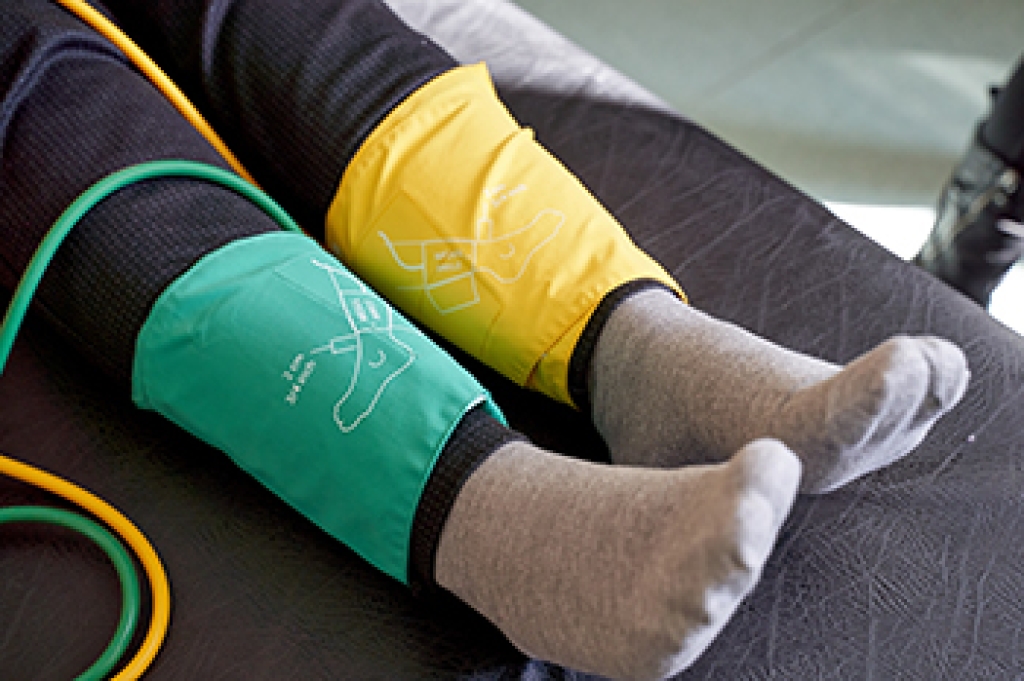
While PAD occurs in the legs and arteries, Podiatrists can diagnose PAD. Podiatrists utilize a test called an ankle-brachial index (ABI). An ABI test compares blood pressure in your arm to you ankle to see if any abnormality occurs. Ultrasound and imaging devices may also be used.

Treatment

Fortunately, lifestyle changes such as maintaining a healthy diet, exercising, managing cholesterol and blood sugar levels, and quitting smoking, can all treat PAD. Medications that prevent clots from occurring can be prescribed. Finally, in some cases, surgery may be recommended.

If you have any questions, please feel free to contact our offices located in Dallas, and Carrollton, TX . We offer the newest diagnostic and treatment technologies for all your foot care needs.

Read more about Peripheral Artery Disease

Why Live with Pain and Numbness in Your Feet?

Suffering from this type of pain? You may have the foot condition known as Morton's neuroma. Morton's neuroma may develop as a result of ill-fitting footwear and existing foot deformities. We can help.

Pressure Points and Protective Skin

Corns and callouses both develop as the skin responds to repeated friction or pressure, yet they differ in important ways. Corns are small, round areas of thickened skin with a hard center, often forming on toes where shoes rub. Callouses are broader, flatter patches that appear on weight-bearing areas like heels or balls of the feet. Corns may look raised and feel sharp or burning, whereas calluses tend to look yellowish and do not generally cause pain. Common causes include ill-fitting footwear, foot structure, and walking patterns. A podiatrist begins with a thorough examination to confirm the diagnosis and rule out warts or infection. Treatment options include safe and sterile removal of the corn, custom padding or orthotics, and recommended footwear changes to reduce pressure. Early care can prevent worsening pain and complications. If you have painful corns, it is suggested that you make an appointment with a podiatrist.

If you have any concerns regarding your feet and ankles, contact one of our podiatrists of Southwest Podiatry. Our doctors will treat your foot and ankle needs.

Corns: What Are They? and How Do You Get Rid of Them?
Corns can be described as areas of the skin that have thickened to the point of becoming painful or irritating. They are often layers and layers of the skin that have become dry and rough, and are normally smaller than calluses.

Ways to Prevent Corns
There are many ways to get rid of painful corns such as wearing:

  • Well-fitting socks
  • Comfortable shoes that are not tight around your foot
  • Shoes that offer support

Treating Corns
Treatment of corns involves removing the dead skin that has built up in the specific area of the foot. Consult with Our doctors to determine the best treatment option for your case of corns.

If you have any questions, please feel free to contact our offices located in Dallas, and Carrollton, TX . We offer the newest diagnostic and treatment technologies for all your foot care needs.

Read more about Everything You Need to Know About Corns

Early Recognition of Toenail Fungus

Toenail fungus is a common infection that develops when fungi invade the nail through small cracks or separations between the nail and nail bed. Early symptoms often include mild discoloration, subtle white or yellow spots, and slight thickening of the nail. As the condition progresses, the nail may become brittle, distorted, darker in color, and develop debris beneath the surface. In advanced stages, the nail can separate from the nail bed and cause discomfort or odor. Causes include minor nail trauma and warm, moist environments, such as locker rooms and pool areas.  Risk factors include diabetes, reduced immunity, aging, and wearing tight footwear. A podiatrist can confirm the diagnosis and provide effective treatment. If you have symptoms of toenail fungus, it is suggested that you promptly consult a podiatrist who can begin appropriate treatment solutions, which may include prescribed medication.

For more information about treatment, contact one of our podiatrists of Southwest Podiatry. Our doctors can provide the care you need to keep you pain-free and on your feet.

Toenail Fungus Treatment

Toenail fungus is a condition that affects many people and can be especially hard to get rid of. Fortunately, there are several methods to go about treating and avoiding it.

Antifungals & Deterrence

Oral antifungal medicine has been shown to be effective in many cases. It is important to consult with a podiatrist to determine the proper regiment for you, or potentially explore other options.

Applying foot powder on the feet and shoes helps keep the feet free of moisture and sweat.

Sandals or open toed shoes – Wearing these will allow air movement and help keep feet dry. They also expose your feet to light, which fungus cannot tolerate. Socks with moisture wicking material also help as well.

If you have any questions please contact our offices located in Dallas, and Carrollton, TX . We offer the newest diagnostic and treatment technologies for all your foot and ankle needs.

Read more about How to Treat Your Toenail Fungus

Connect With Us

Advanced Podiatric Procedures & Services in the Dallas County, TX: Dallas (Garland, Richardson, Addison, Zacha Junction, Highland Park, University Park, Rowlett, Coppell) and Irving (Grand Prairie, Cockrell Hill); Tarrant County, TX: Arlington, Euless, Bedford, Hurst, Colleyville; Collin County, TX: Carrollton (Plano, Frisco), and Denton County, TX: Lewisville, The Colony, Hackberry, Little Elm, Highland Village areas