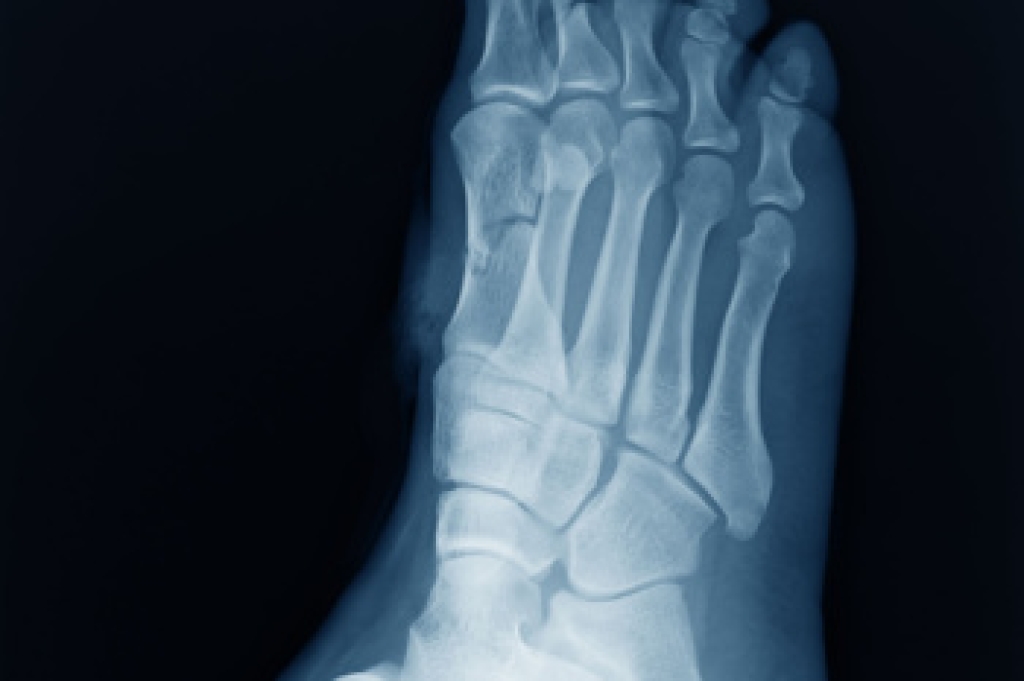
Understanding the Cause of Cuboid Syndrome

Cuboid syndrome affects one of the small bones on the outer side of the foot called the cuboid. This bone helps support normal foot movement and works with nearby joints while walking. Cuboid syndrome develops when the cuboid bone shifts slightly out of its normal position or the surrounding tissues become irritated. This problem can happen after an ankle sprain or repeated stress from sports and other physical activities. Wearing shoes that lack proper support also can increase stress on the foot. Pain usually develops along the outer side of the foot and becomes worse while walking or standing. Some patients notice weakness, tenderness, or difficulty pushing off the foot. The pain can resemble other foot conditions, making a professional evaluation important.

A podiatrist performs a detailed examination to determine whether cuboid syndrome is causing the pain. The evaluation includes checking the location of the discomfort, the movement of the foot, and the stability of the surrounding joints. The podiatrist also watches how the patient stands and walks because changes in movement can place extra stress on the cuboid bone. Imaging tests, like X-rays or MRI scans, help rule out fractures and other conditions that cause similar symptoms. Although these tests do not always confirm cuboid syndrome, they provide valuable information when making a diagnosis. Identifying the correct source of pain allows the podiatrist to recommend the most effective treatment.

Treatment focuses on restoring normal foot function and reducing stress on the injured area. A podiatrist can gently reposition the cuboid bone when it has shifted from its normal alignment. Care also includes custom orthotics that improve foot support and reduce pressure on the outer side of the foot. Stretching and strengthening exercises help improve stability and lower the chance of repeated problems. Patients with ongoing pain are evaluated for other foot conditions that could require additional treatment. If you have symptoms of cuboid syndrome, it is suggested that you schedule an appointment with a podiatrist for a diagnosis and appropriate treatment.

Cuboid syndrome, also known as cuboid subluxation, occurs when the joints and ligaments near the cuboid bone in the foot become torn. If you have cuboid syndrome, consult with one of our podiatrists from Southwest Podiatry. Our doctors will assess your condition and provide you with quality foot and ankle treatment.

Cuboid syndrome is a common cause of lateral foot pain, which is pain on the outside of the foot. The condition may happen suddenly due to an ankle sprain, or it may develop slowly overtime from repetitive tension through the bone and surrounding structures.

Causes

The most common causes of cuboid syndrome include:

  • Injury – The most common cause of this ailment is an ankle sprain.
  • Repetitive Strain – Tension placed through the peroneus longus muscle from repetitive activities such as jumping and running may cause excessive traction on the bone causing it to sublux.
  • Altered Foot Biomechanics – Most people suffering from cuboid subluxation have flat feet.

Symptoms

A common symptom of cuboid syndrome is pain along the outside of the foot which can be felt in the ankle and toes. This pain may create walking difficulties and may cause those with the condition to walk with a limp.

Diagnosis

Diagnosis of cuboid syndrome is often difficult, and it is often misdiagnosed. X-rays, MRIs and CT scans often fail to properly show the cuboid subluxation. Although there isn’t a specific test used to diagnose cuboid syndrome, your podiatrist will usually check if pain is felt while pressing firmly on the cuboid bone of your foot.

Treatment

Just as the range of causes varies widely, so do treatments. Some more common treatments are ice therapy, rest, exercise, taping, and orthotics.

If you have any questions, please feel free to contact our offices located in Dallas, and Carrollton, TX . We offer the newest diagnostic and treatment technologies for all your foot care needs.

Read more about All About Cuboid Syndrome

Gout Pain Can Be Managed

Gout is a painful, inflammatory form of arthritis. Those affected will typically feel an intense stiffness in the joints of their feet, particularly in the big toe. Schedule a visit to learn about how gout can be managed and treated.

Managing Life With Hammertoe

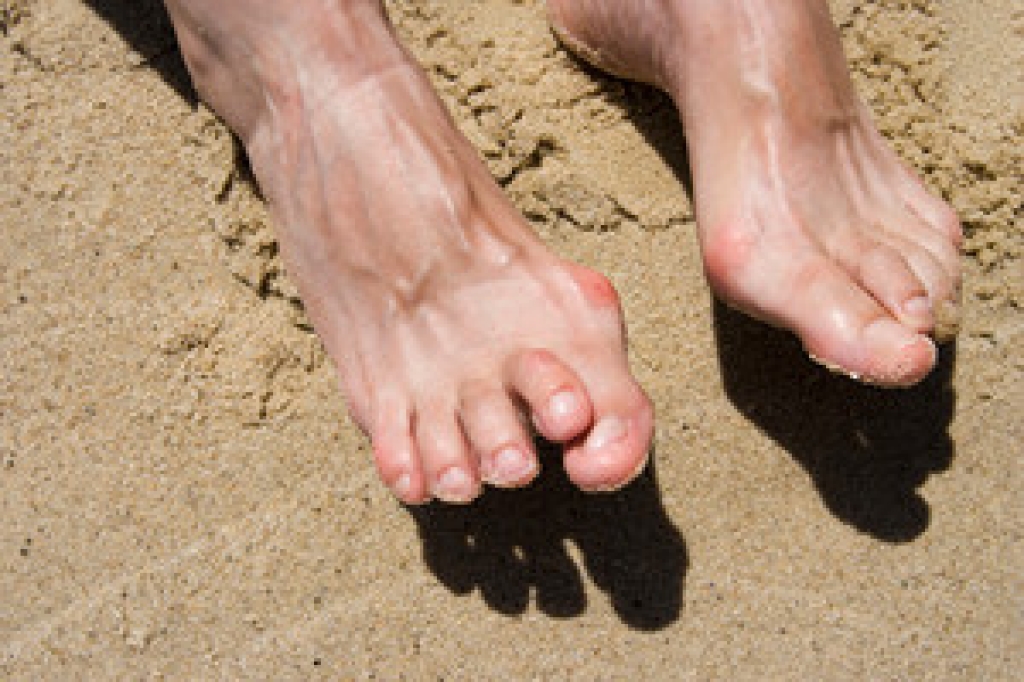
Hammertoe is a foot deformity that causes one of the smaller toes to bend at the middle joint instead of lying flat. The condition usually develops gradually and most often affects the second, third, or fourth toe. In its early stages, the toe may still be flexible, but it can become stiff over time if left untreated. Hammertoe may be caused by muscle imbalance, arthritis, or pressure from footwear that does not fit properly. As the toe changes shape, it may become painful to walk or wear shoes. Corns, calluses, and irritation may also develop where the deformed toe rubs against footwear. Early evaluation is important because treatment is often more effective before the toe becomes permanently stiff.


A podiatrist can examine the affected toe and determine how advanced the hammertoe has become. During the evaluation, the podiatrist checks toe movement, foot alignment, and areas of increased pressure that may be causing discomfort. They also look for skin changes and other foot conditions that may be contributing to the problem. Treatment depends on the severity of the deformity and the patient's symptoms. Professional hammertoe treatment may include custom orthotics, supportive footwear recommendations, or other medical treatments to improve foot function and reduce pain. If the deformity becomes severe, more advanced treatment options may be discussed.


Professional podiatry care can help relieve pain, improve mobility, and slow the progression of hammertoe. Addressing the condition early may also reduce the risk of worsening deformity and ongoing pressure on the affected toe. A podiatrist creates a treatment plan based on your individual needs and monitors changes over time. Professional foot care can also improve comfort during walking and everyday activities. If you have toe pain or notice a toe that is beginning to change shape, it is suggested that you consult a podiatrist for an evaluation.

Hammertoes can be a painful condition to live with. For more information, contact one of our podiatrists of Southwest Podiatry. Our doctors will answer any of your foot- and ankle-related questions.

Hammertoe

Hammertoe is a foot deformity that occurs due to an imbalance in the muscles, tendons, or ligaments that normally hold the toe straight. It can be caused by the type of shoes you wear, your foot structure, trauma, and certain disease processes.

Symptoms

  • Painful and/or difficult toe movement
  • Swelling
  • Joint stiffness
  • Calluses/Corns
  • Physical deformity

Risk Factors

  • Age – The risk of hammertoe increases with age
  • Sex – Women are more likely to have hammertoe compared to men
  • Toe Length – You are more likely to develop hammertoe if your second toe is longer than your big toe
  • Certain Diseases – Arthritis and diabetes may make you more likely to develop hammertoe

Treatment

If you have hammertoe, you should change into a more comfortable shoe that provides enough room for your toes. Exercises such as picking up marbles may strengthen and stretch your toe muscles. Nevertheless, it is important to seek assistance from a podiatrist in order to determine the severity of your hammertoe and see which treatment option will work best for you.

If you have any questions, please feel free to contact our offices located in Dallas, and Carrollton, TX . We offer the newest diagnostic and treatment technologies for all your foot care needs.
Read more about Hammertoe

Treating Heel Spurs With Podiatric Care

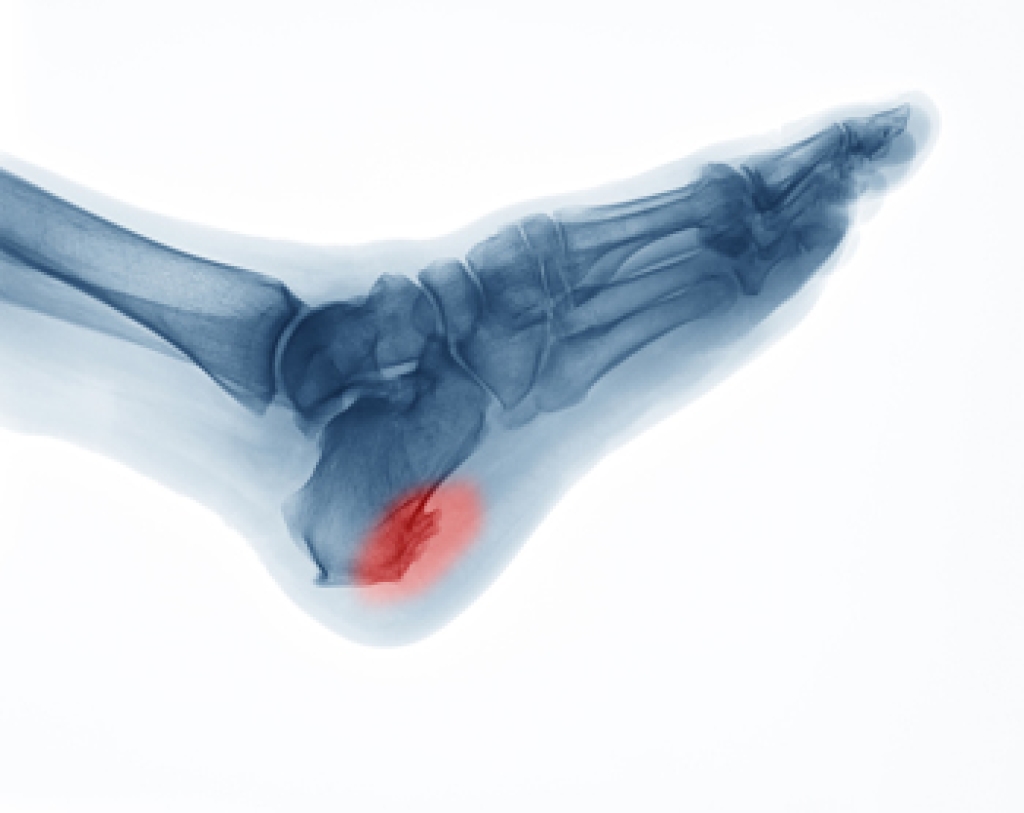
Heel spurs are bony growths that develop on the underside of the heel bone. Although they are often associated with heel pain, not all heel spurs cause symptoms. These growths typically form gradually as a result of repeated stress and strain on the foot. The condition is commonly linked to irritation of the tissues that connect the heel to the toes, as well as long-term tension on the heel bone. When symptoms occur, individuals may experience pain in the heel during walking, standing, or other weight-bearing activities. The discomfort can range from mild irritation to persistent pain that affects daily routines and overall mobility.

Several factors may increase the likelihood of developing heel spurs. Repetitive stress from walking, running, or prolonged standing can place extra pressure on the heel. Certain foot structures and movement patterns may also contribute to increased strain in the area. Over time, the body may respond to this stress by forming a small bony projection where tissues attach to the heel bone. Many people with heel spurs also experience inflammation and irritation in the surrounding soft tissues, which is often the primary source of pain. Because heel pain can result from several conditions, obtaining an accurate diagnosis is important for determining the underlying cause and appropriate treatment plan.

A podiatrist can evaluate heel pain and determine whether a heel spur is contributing to symptoms. Through a comprehensive examination of the foot and ankle, a podiatrist can assess foot structure, gait, and overall function. Professional podiatric care focuses on identifying the source of discomfort and addressing factors that place excessive stress on the heel. Early intervention may help improve mobility, reduce pain, and prevent symptoms from becoming more severe. Maintaining healthy foot mechanics is important for long-term comfort and activity. If you have heel pain related to heel spurs, it is suggested that you consult a podiatrist for an evaluation and appropriate treatment options.

Heel spurs can be incredibly painful and sometimes may make you unable to participate in physical activities. To get medical care for your heel spurs, contact one of our podiatrists from Southwest Podiatry. Our doctors will do everything possible to treat your condition.

Heels Spurs

Heel spurs are formed by calcium deposits on the back of the foot where the heel is. This can also be caused by small fragments of bone breaking off one section of the foot, attaching onto the back of the foot. Heel spurs can also be bone growth on the back of the foot and may grow in the direction of the arch of the foot.

Older individuals usually suffer from heel spurs and pain sometimes intensifies with age. One of the main condition's spurs are related to is plantar fasciitis.

Pain

The pain associated with spurs is often because of weight placed on the feet. When someone is walking, their entire weight is concentrated on the feet. Bone spurs then have the tendency to affect other bones and tissues around the foot. As the pain continues, the feet will become tender and sensitive over time.

Treatments

There are many ways to treat heel spurs. If one is suffering from heel spurs in conjunction with pain, there are several methods for healing. Medication, surgery, and herbal care are some options.

If you have any questions, please feel free to contact our offices located in Dallas, and Carrollton, TX . We offer the newest diagnostic and treatment technologies for all your foot care needs.
Read more about How to Treat Heel Spurs

Ways That Rheumatoid Arthritis Affect the Feet

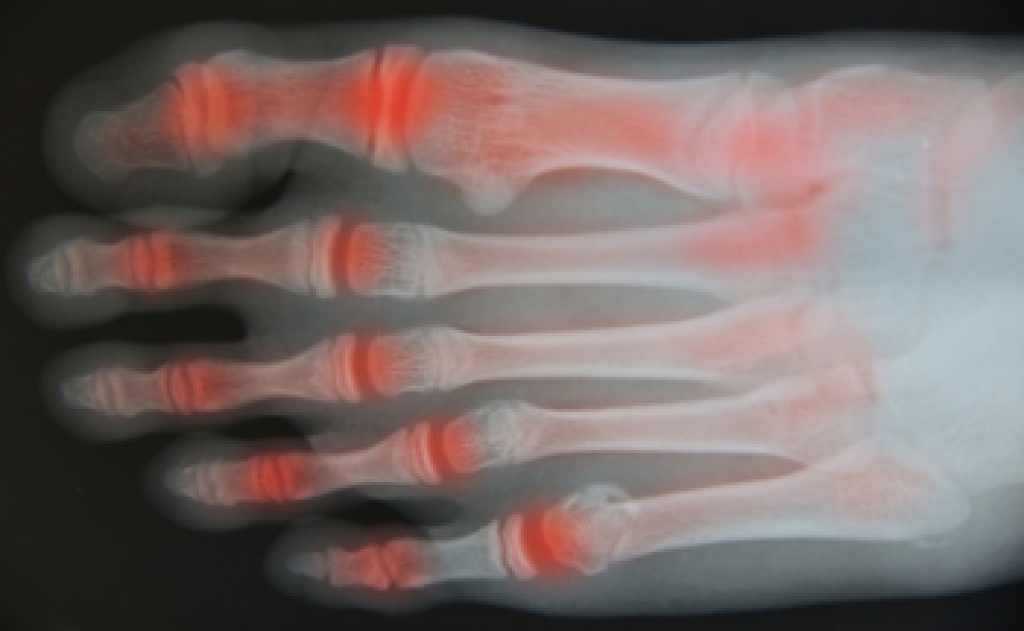
Rheumatoid arthritis causes the body to attack healthy joints, and the feet are commonly affected. This condition can lead to pain, swelling, and stiffness. It commonly affects the toes, arches, and ankles. Symptoms include discomfort in both feet at the same time, especially when getting out of bed or when walking after resting. Rheumatoid arthritis can also change the shape of the feet. Some people develop bunions, curled toes, or flat feet because the joints become weak and unstable. Pain in the ball of the foot is also common and can make standing or walking difficult. Swollen joints may feel warm and tender, and wearing shoes can become uncomfortable. A podiatrist can examine the feet, recommend supportive shoes, and provide custom orthotics that help reduce pain and improve movement. If you have foot pain that may be linked to arthritis, it is suggested that you make an appointment with a podiatrist for an exam and treatment options.

Foot Pain

Foot pain can be extremely painful and debilitating. If you have a foot pain, consult with one of our podiatrists from Southwest Podiatry. Our doctors will assess your condition and provide you with quality foot and ankle treatment.

Causes

Foot pain is a very broad condition that could be caused by one or more ailments. The most common include:

  • Bunions
  • Hammertoes
  • Plantar Fasciitis
  • Bone Spurs
  • Corns
  • Tarsal Tunnel Syndrome
  • Ingrown Toenails
  • Arthritis (such as Gout, Rheumatoid, and Osteoarthritis)
  • Flat Feet
  • Injury (from stress fractures, broken toe, foot, ankle, Achilles tendon ruptures, and sprains)
  • And more

Diagnosis

To figure out the cause of foot pain, podiatrists utilize several different methods. This can range from simple visual inspections and sensation tests to X-rays and MRI scans. Prior medical history, family medical history, and any recent physical traumatic events will all be taken into consideration for a proper diagnosis.

Treatment

Treatment depends upon the cause of the foot pain. Whether it is resting, staying off the foot, or having surgery; podiatrists have a number of treatment options available for foot pain.

If you have any questions, please feel free to contact our offices located in Dallas, and Carrollton, TX . We offer the newest diagnostic and treatment technologies for all your foot care needs.

Read more about Foot Pain

Connect With Us

Advanced Podiatric Procedures & Services in the Dallas County, TX: Dallas (Garland, Richardson, Addison, Zacha Junction, Highland Park, University Park, Rowlett, Coppell) and Irving (Grand Prairie, Cockrell Hill); Tarrant County, TX: Arlington, Euless, Bedford, Hurst, Colleyville; Collin County, TX: Carrollton (Plano, Frisco), and Denton County, TX: Lewisville, The Colony, Hackberry, Little Elm, Highland Village areas