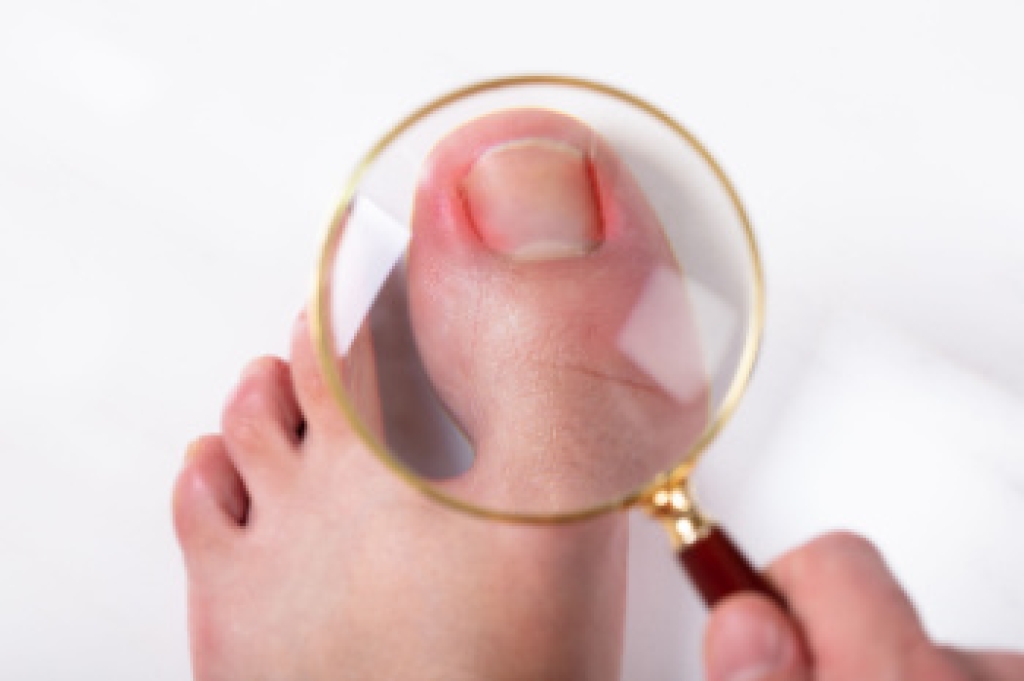
Types of Ingrown Toenails

An ingrown toenail, medically known as onychocryptosis, develops when the edge of the nail grows into the surrounding skin. This condition most often affects the big toe and can lead to pain, inflammation, and infection if not treated. It develops when the nail plate presses into the soft tissue, causing irritation and a break in the skin barrier. This can allow bacteria to enter, increasing the risk of infection. Understanding the types and causes of ingrown toenails is important for early recognition and proper care.

There are three main types of ingrown toenails based on the location of the nail growth. The lateral type is the most common and occurs when the side edge of the nail grows into the adjacent skin. The distal type develops at the front edge of the nail, where it presses downward into the skin. The proximal type is less common and involves the base of the nail growing into the surrounding tissue near the cuticle. 


Symptoms of ingrown toenails include redness, swelling, tenderness, and pain along the affected nail edge. As the condition progresses, the area may become warm and produce drainage or pus, indicating infection. Walking and wearing shoes may become uncomfortable due to pressure on the toe. Risk factors include improper nail trimming, wearing tight or narrow footwear, and repetitive trauma from physical activity. Naturally curved nails may also be a factor. Individuals with conditions such as diabetes may face increased complications due to slower healing and reduced sensation.


The causes of ingrown toenails are often related to both mechanical pressure and personal habits. Repeated stress from walking or running may also contribute. Early care and prevention strategies can reduce the likelihood of recurrence and improve comfort. If you have an ingrown toenail, it is suggested that you consult a podiatrist who can effectively treat this condition, which may include minor surgery.

Ingrown toenails may initially present themselves as a minor discomfort, but they may progress into an infection in the skin without proper treatment. For more information about ingrown toenails, contact one of our podiatrists of Southwest Podiatry. Our doctors can provide the care you need to keep you pain-free and on your feet.

Ingrown Toenails

Ingrown toenails are caused when the corner or side of a toenail grows into the soft flesh surrounding it. They often result in redness, swelling, pain, and in some cases, infection. This condition typically affects the big toe and may recur if it is not treated properly.

Causes

  • Improper toenail trimming
  • Genetics
  • Improper shoe fitting
  • Injury from pedicures or nail picking
  • Abnormal gait
  • Poor hygiene

You are more likely to develop an ingrown toenail if you are obese, have diabetes, arthritis, or have any fungal infection in your nails. Additionally, people who have foot or toe deformities are at a higher risk of developing an ingrown toenail.

Symptoms

Some symptoms of ingrown toenails are redness, swelling, and pain. In rare cases, there may be a yellowish drainage coming from the nail.

Treatment

Ignoring an ingrown toenail can have serious complications. Infections of the nail border can progress to a deeper soft-tissue infection, which can then turn into a bone infection. You should always speak with your podiatrist if you suspect you have an ingrown toenail, especially if you have diabetes or poor circulation.

If you have any questions, please feel free to contact our offices located in Dallas, and Carrollton, TX . We offer the newest diagnostic and treatment technologies for all your foot care needs.

Read more about Ingrown Toenails

Are Bunions Affecting Your Everyday Life?

Have you noticed a bony protrusion on the side of your big toe? If so, you may have developed the foot condition known as a bunion. Don't let bunions interfere with your daily activities.

How a Podiatrist Can Help Manage Arthritis in the Feet

Arthritis can affect the feet by causing pain, stiffness, and reduced mobility in the joints. Because each foot contains many joints that support standing and walking, arthritis can make everyday movement more difficult. The condition may affect the toes, the middle of the foot, or the ankle, depending on the type of arthritis involved. Common symptoms include aching, swelling, and tenderness. Some people also notice joint stiffness, especially after periods of rest. As arthritis progresses, it may become harder to walk comfortably or participate in normal daily activities. Since several forms of arthritis can affect the feet, a professional evaluation is important to determine the underlying cause and recommend the most appropriate treatment.


Arthritis may gradually change the structure and function of the foot over time. Inflammation within the joints can reduce flexibility and make movement uncomfortable. As the joints become less stable, changes in the way a person walks may place added stress on other areas of the foot. This may also affect the ankles, knees, and hips. A thorough examination helps identify which joints are involved and how arthritis is affecting foot function. Understanding the source of symptoms allows a podiatrist to develop a treatment plan that supports better mobility and long-term foot health.


A podiatrist plays an important role in managing arthritic foot pain by evaluating joint function and identifying changes that may be contributing to discomfort. Treatment is tailored to each patient's condition and may focus on improving mobility, reducing joint stress, and preserving foot function. Early podiatry care can also help address changes before they become more severe or interfere with daily activities. Regular monitoring allows treatment to be adjusted as symptoms change over time. If arthritis pain or stiffness is affecting your feet or limiting your mobility, it is suggested that you consult a podiatrist for an evaluation and appropriate treatment options.

Arthritis can be a difficult condition to live with. If you are seeking treatment, contact one of our podiatrists from Southwest Podiatry. Our doctors can provide the care you need to keep you pain-free and on your feet.

Arthritic Foot Care  

Arthritis is a joint disorder that involves the inflammation of different joints in your body, such as those in your feet. Arthritis is often caused by a degenerative joint disease and causes mild to severe pain in all affected areas. In addition to this, swelling and stiffness in the affected joints can also be a common symptom of arthritis.

In many cases, wearing ill-fitting shoes can worsen the effects and pain of arthritis. Wearing shoes that have a lower heel and extra room can help your feet feel more comfortable. In cases of rheumatoid arthritis, the arch in your foot may become problematic. Buying shoes with proper arch support that contour to your feet can help immensely.

Alleviating Arthritic Pain

  • Exercises that stretch the foot can prevent further pain and injury and increase mobility
  • Most of the pain can be alleviated with anti-inflammatory drugs, heat, and topical medications
  • Massages can help temporarily alleviate pain.

It is best to see your doctor for the treatment that is right for your needs and symptoms. Conditions vary, and a podiatrist can help you determine the right method of care for your feet.

If you have any questions please feel free to contact our offices located in Dallas, and Carrollton, TX . We offer the newest diagnostic tools and technology to treat your foot and ankle needs.

Read more about Arthritic Foot Care

Athlete’s Foot Identification

Athlete’s foot is a fungal skin infection that commonly affects the feet, especially the spaces between the toes. It develops when fungi grow in warm, moist environments and spread across the outer layer of skin. This condition is contagious and can be transmitted through shared surfaces such as locker rooms and showers. In some cases, small bumps may appear along with other skin changes, which can make the infection more noticeable. Understanding how to identify athlete’s foot early can help prevent progression and reduce discomfort.


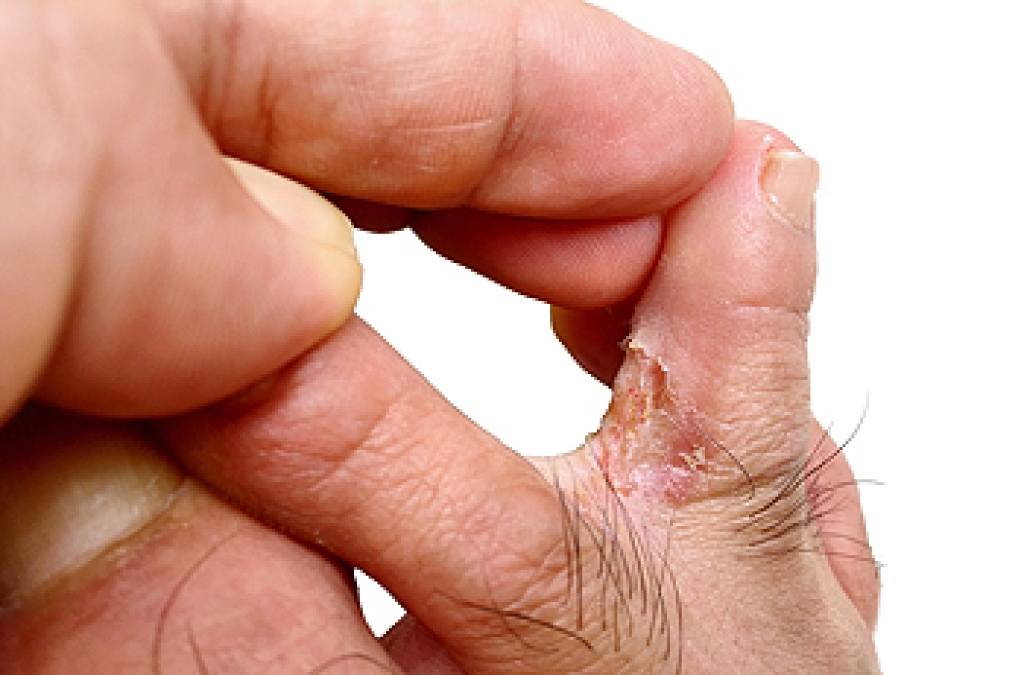
Symptoms of athlete’s foot often include itching, burning, and irritation of the skin. The affected area may appear red, flaky, or cracked, particularly between the toes. Some individuals develop small fluid-filled bumps that may cause additional sensitivity. The skin can become soft or soggy due to excess moisture, and an unpleasant odor may also be present. These symptoms may worsen with continued exposure to damp conditions or tight footwear.


Several causes contribute to the development of athlete’s foot. Fungi thrive in consistently warm and damp environments, making sweaty feet and enclosed shoes a common factor. Walking barefoot in public areas increases exposure to infectious organisms. Additional contributing factors include minor skin injuries and poor hygiene habits. Individuals with a weakened immune system, a genetic predisposition, or poor circulation may be more vulnerable to infection and slower healing.


Risk factors include frequent use of communal facilities, prolonged moisture exposure, and wearing non-breathable shoes. People who experience excessive sweating or have underlying health conditions may face increased risk. Identifying athlete’s foot involves recognizing persistent itching, peeling skin, and the presence of bumps or irritation in typical areas. Early treatment and proper foot care can prevent spread and recurrence. If you have athlete’s foot or related bumps, it is suggested that you consult a podiatrist for effective relief and treatment solutions, which  may include prescribed medication.

Athlete’s Foot

Athlete’s foot is often an uncomfortable condition to experience. Thankfully, podiatrists specialize in treating athlete’s foot and offer the best treatment options. If you have any questions about athlete’s foot, consult with one of our podiatrists from Southwest Podiatry. Our doctors will assess your condition and provide you with quality treatment.

What Is Athlete’s Foot?

Tinea pedis, more commonly known as athlete’s foot, is a non-serious and common fungal infection of the foot. Athlete’s foot is contagious and can be contracted by touching someone who has it or infected surfaces. The most common places contaminated by it are public showers, locker rooms, and swimming pools. Once contracted, it grows on feet that are left inside moist, dark, and warm shoes and socks.

Prevention

The most effective ways to prevent athlete’s foot include:

  • Thoroughly washing and drying feet
  • Avoid going barefoot in locker rooms and public showers
  • Using shower shoes in public showers
  • Wearing socks that allow the feet to breathe
  • Changing socks and shoes frequently if you sweat a lot

Symptoms

Athlete’s foot initially occurs as a rash between the toes. However, if left undiagnosed, it can spread to the sides and bottom of the feet, toenails, and if touched by hand, the hands themselves. Symptoms include:

  • Redness
  • Burning
  • Itching
  • Scaly and peeling skin

Diagnosis and Treatment

Diagnosis is quick and easy. Skin samples will be taken and either viewed under a microscope or sent to a lab for testing. Sometimes, a podiatrist can diagnose it based on simply looking at it. Once confirmed, treatment options include oral and topical antifungal medications.

If you have any questions, please feel free to contact our offices located in Dallas, and Carrollton, TX . We offer the newest diagnostic and treatment technologies for all your foot care needs.
Read more about Athlete’s Foot

Podiatric Care for Flat Feet

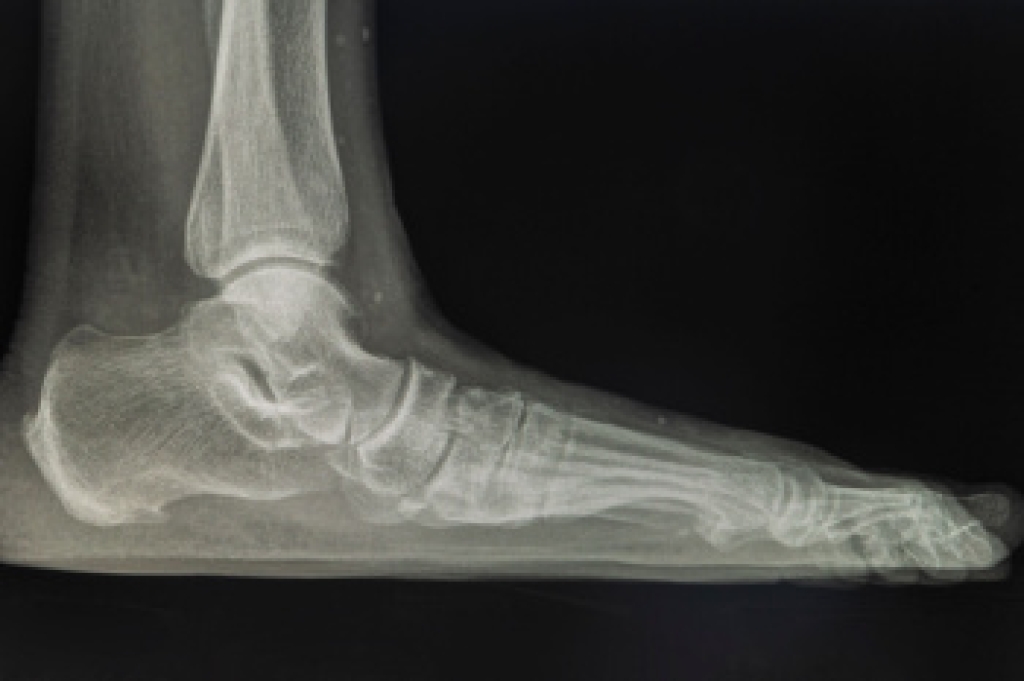
Flat feet develop when the arches of the feet are lower than expected, or do not form fully. Some people are born with flat feet, while others develop them later because of aging, injury, or changes in the tendons that support the arch. Tendons are strong bands of tissue that connect muscles to bones. Many people with flat feet have no symptoms, but others experience pain in the feet, ankles, or lower legs. Some also notice swelling along the inside of the ankle or fatigue after standing for long periods of time. Changes in foot alignment can affect the way weight is distributed while walking and place extra stress on nearby joints. A podiatrist can evaluate the feet and determine whether flat feet are contributing to these symptoms.

Several factors can increase the chance of developing flat feet or make existing symptoms worse. Age-related changes can weaken the tendons that support the arch. Excess body weight can place additional stress on the feet and ankles. Certain medical conditions, like arthritis or diabetes, can also affect foot structure and function. Previous injuries sometimes change the way the foot moves and lead to arch problems. A podiatrist performs a thorough examination that includes evaluating foot alignment, joint movement, and walking patterns. Imaging studies are sometimes recommended to better understand the condition and identify damage affecting the bones or soft tissues.

Treatment depends on the cause of the flat feet and the severity of the symptoms. A podiatrist can recommend custom orthotics that improve foot alignment and provide better support while walking. Orthotics are specially designed shoe inserts that help distribute pressure more evenly across the feet. Patients also benefit from personalized exercises that strengthen the muscles supporting the arches and improve flexibility. Early evaluation can improve comfort, reduce strain on the feet, and help patients stay active. If you have  of flat feet, it is suggested that you schedule an appointment with a podiatrist for effective management tips.

Flatfoot is a condition many people suffer from. If you have flat feet, contact one of our podiatrists from Southwest Podiatry. Our doctors will treat your foot and ankle needs.

What Are Flat Feet?

Flatfoot is a condition in which the arch of the foot is depressed and the sole of the foot is almost completely in contact with the ground. About 20-30% of the population generally has flat feet because their arches never formed during growth.

Conditions & Problems:

Having flat feet makes it difficult to run or walk because of the stress placed on the ankles.

Alignment – The general alignment of your legs can be disrupted, because the ankles move inward which can cause major discomfort.

Knees – If you have complications with your knees, flat feet can be a contributor to arthritis in that area.  

Symptoms

  • Pain around the heel or arch area
  • Trouble standing on the tip toe
  • Swelling around the inside of the ankle
  • Flat look to one or both feet
  • Having your shoes feel uneven when worn

Treatment

If you are experiencing pain and stress on the foot you may weaken the posterior tibial tendon, which runs around the inside of the ankle. 

If you have any questions, please feel free to contact our offices located in Dallas, and Carrollton, TX . We offer the newest diagnostic and treatment technologies for all your foot care needs.
Read more about Flat Feet

Connect With Us

Advanced Podiatric Procedures & Services in the Dallas County, TX: Dallas (Garland, Richardson, Addison, Zacha Junction, Highland Park, University Park, Rowlett, Coppell) and Irving (Grand Prairie, Cockrell Hill); Tarrant County, TX: Arlington, Euless, Bedford, Hurst, Colleyville; Collin County, TX: Carrollton (Plano, Frisco), and Denton County, TX: Lewisville, The Colony, Hackberry, Little Elm, Highland Village areas