Connect With Us
Blog
Items filtered by date: June 2024
Tuesday, 25 June 2024 00:00
High Heels and Women’s Foot Problems

High heels are a staple in many women's wardrobes, with about 40 percent wearing them daily. However, the fashionable choice often comes with a painful price. Three quarters of women wearing high heels experience foot pain regularly. The height of the heel and the narrowness of the toe box are the main culprits. High heels often force toes into unnatural positions, that may lead to bunions, which are bumps along the inside of the big toe, and hammertoes, where toes become bent at the middle joint. Over time, these conditions can worsen, causing significant discomfort and permanent changes in foot structure. High heels also can contribute to tight calf muscles, which may result in plantar fasciitis and Achilles tendonitis. To avoid these issues, select shoes with a proper fit, ensuring that your toes have adequate space to move. For those already suffering, treatments include toe pads, separators, and in severe cases, surgery. If you are experiencing foot pain from high heels, it may be time to reconsider your footwear choices. For guidance with foot problems, it is suggested that you schedule an appointment with a podiatrist for an exam and treatment options.
High heels have a history of causing foot and ankle problems. If you have any concerns about your feet or ankles, contact one of our podiatrists from Southwest Podiatry. Our doctors can provide the care you need to keep you pain-free and on your feet.
Effects of High Heels on the Feet
High heels are popular shoes among women because of their many styles and societal appeal. Despite this, high heels can still cause many health problems if worn too frequently.
Which Parts of My Body Will Be Affected by High Heels?
- Ankle Joints
- Achilles Tendon – May shorten and stiffen with prolonged wear
- Balls of the Feet
- Knees – Heels cause the knees to bend constantly, creating stress on them
- Back – They decrease the spine’s ability to absorb shock, which may lead to back pain. The vertebrae of the lower back may compress.
What Kinds of Foot Problems Can Develop from Wearing High Heels?
- Corns
- Calluses
- Hammertoe
- Bunions
- Morton’s Neuroma
- Plantar Fasciitis
How Can I Still Wear High Heels and Maintain Foot Health?
If you want to wear high heeled shoes, make sure that you are not wearing them every day, as this will help prevent long term physical problems. Try wearing thicker heels as opposed to stilettos to distribute weight more evenly across the feet. Always make sure you are wearing the proper shoes for the right occasion, such as sneakers for exercising. If you walk to work, try carrying your heels with you and changing into them once you arrive at work. Adding inserts to your heels can help cushion your feet and absorb shock. Full foot inserts or metatarsal pads are available.
If you have any questions please feel free to contact our offices located in Dallas, and Carrollton, TX . We offer the newest diagnostic and treatment technologies for all your foot and ankle needs.
Sunday, 23 June 2024 00:00
Arthritis Can Cause Pain in the Feet and Ankles

If you are suffering from tenderness, pain, or stiffness in the joints of your feet or ankles, call us to schedule an appointment.
Tuesday, 18 June 2024 00:00
Achilles Tendon Injuries and Treatment
 Achilles tendon injuries often occur due to overuse, sudden increases in physical activity, or inadequate warm-ups before exercise. This tendon, connecting the calf muscles to the heel bone, endures significant stress, especially during activities like running, jumping, or abrupt changes in direction. Such strain can lead to inflammation, known as tendinitis, or even a partial or complete tear. When an Achilles tendon injury happens, individuals typically experience sharp pain or a snapping sensation in the back of the ankle, followed by swelling and difficulty walking. The pain may worsen with activity and improve with rest but can become chronic if untreated. Treatment includes rest and anti-inflammatory medications to reduce pain and swelling. Exercises can help strengthen the tendon and restore flexibility. In severe cases, immobilization or surgery might be necessary. To prevent these injuries, it is important to engage in proper warm-ups, gradually increase activity levels, and wear supportive footwear. If you have Achilles tendon pain, it is suggested that you schedule an appointment with a podiatrist for a proper diagnosis and tailored treatment plan.
Achilles tendon injuries need immediate attention to avoid future complications. If you have any concerns, contact one of our podiatrists of Southwest Podiatry. Our doctors can provide the care you need to keep you pain-free and on your feet.
What Is the Achilles Tendon?
The Achilles tendon is a tendon that connects the lower leg muscles and calf to the heel of the foot. It is the strongest tendon in the human body and is essential for making movement possible. Because this tendon is such an integral part of the body, any injuries to it can create immense difficulties and should immediately be presented to a doctor.
What Are the Symptoms of an Achilles Tendon Injury?
There are various types of injuries that can affect the Achilles tendon. The two most common injuries are Achilles tendinitis and ruptures of the tendon.
Achilles Tendinitis Symptoms
- Inflammation
- Dull to severe pain
- Increased blood flow to the tendon
- Thickening of the tendon
Rupture Symptoms
- Extreme pain and swelling in the foot
- Total immobility
Treatment and Prevention
Achilles tendon injuries are diagnosed by a thorough physical evaluation, which can include an MRI. Treatment involves rest, physical therapy, and in some cases, surgery. However, various preventative measures can be taken to avoid these injuries, such as:
- Thorough stretching of the tendon before and after exercise
- Strengthening exercises like calf raises, squats, leg curls, leg extensions, leg raises, lunges, and leg presses
If you have any questions please feel free to contact our offices located in Dallas, and Carrollton, TX . We offer the newest diagnostic tools and technology to treat your foot and ankle needs.
Tuesday, 11 June 2024 00:00
Soothing Stretches for Relieving Tired Feet
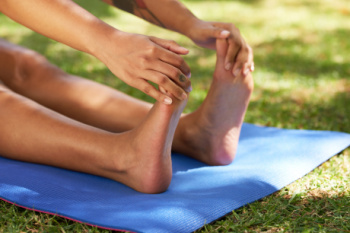
After a long day of standing or walking, tired feet are a common discomfort. Incorporating foot stretches into your routine can provide much-needed relief and rejuvenation. One effective stretch is the toe stretch, where you sit with your legs extended and use your hands to gently pull your toes back toward your body, feeling a stretch along the bottom of your feet. Another helpful stretch is the calf stretch, which involves standing facing a wall with one foot forward and the other foot back, bending the front knee while keeping the back leg straight, and pressing the heel into the ground to feel a stretch in the calf muscle. Additionally, the plantar fascia stretch targets the arch of the foot by sitting with one leg crossed over the other and gently pulling back on the toes of the crossed leg. These simple yet effective stretches can alleviate tension and soreness, leaving your feet feeling refreshed and revitalized. If your feet are tired during the day, it is suggested that you consult a podiatrist who can provide a comprehensive examination and offer you additional specific stretches to perform.
Stretching the feet is a great way to prevent injuries. If you have any concerns with your feet consult with one of our podiatrists from Southwest Podiatry. Our doctors will assess your condition and provide you with quality foot and ankle treatment.
Stretching the Feet
Stretching the muscles in the foot is an important part in any physical activity. Feet that are tight can lead to less flexibility and make you more prone to injury. One of the most common forms of foot pain, plantar fasciitis, can be stretched out to help ease the pain. Stretching can not only ease pain from plantar fasciitis but also prevent it as well. However, it is important to see a podiatrist first if stretching is right for you. Podiatrists can also recommend other ways to stretch your feet. Once you know whether stretching is right for you, here are some excellent stretches you can do.
- Using a foam roller or any cylindrical object (a water bottle or soda can will do), roll the object under your foot back and forth. You should also exert pressure on the object. Be sure to do this to both feet for a minute. Do this exercise three times each.
- Similar to the previous one, take a ball, such as a tennis ball, and roll it under your foot while seated and exert pressure on it.
- Grab a resistance band or towel and take a seat. If you are using a towel, fold it length wise. Next put either one between the ball of your foot and heel and pull with both hands on each side towards you. Hold this for 15 seconds and then switch feet. Do this three times for each foot.
- Finally hold your big toe while crossing one leg over the other. Pull the toe towards you and hold for 15 seconds. Once again do this three times per foot.
It is best to go easy when first stretching your foot and work your way up. If your foot starts hurting, stop exercising and ice and rest the foot. It is advised to then see a podiatrist for help.
If you have any questions, please feel free to contact our offices located in Dallas, and Carrollton, TX . We offer the newest diagnostic and treatment technologies for all your foot care needs.
Tuesday, 04 June 2024 00:00
Exercises Can Improve Foot Health

Ensuring the health of your feet is paramount for overall well-being, yet it is a facet of the body that is often disregarded until discomfort arises. With the intricate structure of 28 bones, more than 30 joints, numerous ligaments, tendons and muscles, your feet demand regular maintenance. Starting out the day with gentle calf stretches has been pivotal in alleviating strain, and is especially beneficial for individuals susceptible to overuse conditions like plantar fasciitis. Incorporating simple foot massages with a roller or water bottle aids in releasing tension and fosters relaxation. This simple exercise also offers respite after enduring hours of standing or activity. Foot exercises concentrating on the arch area serve to fortify foot muscles, thereby enhancing stability and bolstering support. By integrating these exercises into your daily routine, you can help to ward off foot pain and fatigue, enabling you to remain on your feet for extended periods of time with reduced strain. If you are experiencing persistent foot pain or discomfort, it is suggested that you schedule an appointment with a podiatrist for a diagnosis and treatment.
Exercising your feet regularly with the proper foot wear is a great way to prevent injuries and build strength. If you have any concerns about your feet, contact one of our podiatrists from Southwest Podiatry. Our doctors can provide the care you need to keep you pain-free and on your feet.
Exercise for Your Feet
Exercise for your feet can help you gain strength, mobility and flexibility in your feet. They say that strengthening your feet can be just as rewarding as strengthening another part of the body. Your feet are very important, and we often forget about them in our daily tasks. But it is because of our feet that are we able to get going and do what we need to. For those of us fortunate enough to not have any foot problems, it is an important gesture to take care of them to ensure good health in the long run.
Some foot health exercises can include ankle pumps, tip-toeing, toe rises, lifting off the floor doing reps and sets, and flexing the toes. It is best to speak with Our doctors to determine an appropriate regimen for your needs. Everyone’s needs and bodies are different, and the activities required to maintain strength in the feet vary from individual to individual.
Once you get into a routine of doing regular exercise, you may notice a difference in your feet and how strong they may become.
If you have any questions please feel free to contact our offices located in Dallas, and Carrollton, TX . We offer the newest diagnostic and treatment technologies for all your foot and ankle needs.
