Connect With Us
Blog
Items filtered by date: January 2025
Tuesday, 28 January 2025 00:00
How Foot Pain Interferes With Comfortable Living

Foot pain can stem from various conditions, including plantar fasciitis, bunions, flat feet, arthritis, or injuries like sprains and fractures. Even seemingly minor discomfort can significantly impact daily activities, affecting mobility, balance, and overall quality of life. Chronic foot pain may also lead to compensation issues, causing pain in the knees, hips, or back. Ignoring persistent pain can worsen underlying conditions, making treatment more complex. Addressing foot pain begins with identifying the cause. Rest, proper footwear, and targeted stretching exercises can help in mild cases. Custom orthotics or surgical intervention may be necessary for persistent or severe pain. Early intervention is key to preventing long-term complications. If foot pain disrupts your routine, it is suggested that you consult a podiatrist for an accurate diagnosis and an effective treatment plan tailored to your needs.
Foot Pain
Foot pain can be extremely painful and debilitating. If you have a foot pain, consult with one of our podiatrists from Southwest Podiatry. Our doctors will assess your condition and provide you with quality foot and ankle treatment.
Causes
Foot pain is a very broad condition that could be caused by one or more ailments. The most common include:
- Bunions
- Hammertoes
- Plantar Fasciitis
- Bone Spurs
- Corns
- Tarsal Tunnel Syndrome
- Ingrown Toenails
- Arthritis (such as Gout, Rheumatoid, and Osteoarthritis)
- Flat Feet
- Injury (from stress fractures, broken toe, foot, ankle, Achilles tendon ruptures, and sprains)
- And more
Diagnosis
To figure out the cause of foot pain, podiatrists utilize several different methods. This can range from simple visual inspections and sensation tests to X-rays and MRI scans. Prior medical history, family medical history, and any recent physical traumatic events will all be taken into consideration for a proper diagnosis.
Treatment
Treatment depends upon the cause of the foot pain. Whether it is resting, staying off the foot, or having surgery; podiatrists have a number of treatment options available for foot pain.
If you have any questions, please feel free to contact our offices located in Dallas, and Carrollton, TX . We offer the newest diagnostic and treatment technologies for all your foot care needs.
Wednesday, 22 January 2025 00:00
Do Your Child's Feet Hurt?

Have your child's feet been examined lately? Healthy feet are happy feet. If your child is complaining of foot pain, it may be a sign of underlying problems.
Tuesday, 21 January 2025 00:00
Symptoms and Relief for Plantar Fasciitis
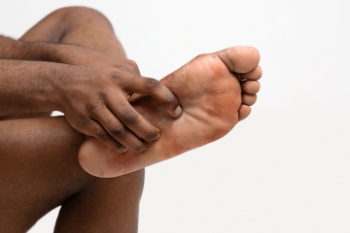
Plantar fasciitis is a condition that results in pain at the bottom of the foot, typically near the heel and arch. This pain often feels like a stabbing or bruising sensation, and may be most intense during the first steps in the morning. For some patients, the discomfort can also occur after standing for long periods of time, or when standing up after sitting for an extended time. Pain from plantar fasciitis may vary in intensity, with severe cases causing significant discomfort during daily activities. Risk factors include having flat feet, high arches, wearing unsupportive footwear, and standing for prolonged periods. Age, specific occupations, and certain pre-existing foot conditions can also contribute to the likelihood of developing plantar fasciitis. A podiatrist can assess your symptoms, identify the underlying causes, and provide effective treatment, such as custom orthotics or other methods to reduce stress on the plantar fascia and alleviate pain. If you have heel pain related to plantar fasciitis, it is suggested that you schedule an appointment with a podiatrist for an exam and treatment.
Plantar fasciitis is a common foot condition that is often caused by a strain injury. If you are experiencing heel pain or symptoms of plantar fasciitis, contact one of our podiatrists from Southwest Podiatry. Our doctors can provide the care you need to keep you pain-free and on your feet.
What Is Plantar Fasciitis?
Plantar fasciitis is one of the most common causes of heel pain. The plantar fascia is a ligament that connects your heel to the front of your foot. When this ligament becomes inflamed, plantar fasciitis is the result. If you have plantar fasciitis you will have a stabbing pain that usually occurs with your first steps in the morning. As the day progresses and you walk around more, this pain will start to disappear, but it will return after long periods of standing or sitting.
What Causes Plantar Fasciitis?
- Excessive running
- Having high arches in your feet
- Other foot issues such as flat feet
- Pregnancy (due to the sudden weight gain)
- Being on your feet very often
There are some risk factors that may make you more likely to develop plantar fasciitis compared to others. The condition most commonly affects adults between the ages of 40 and 60. It also tends to affect people who are obese because the extra pounds result in extra stress being placed on the plantar fascia.
Prevention
- Take good care of your feet – Wear shoes that have good arch support and heel cushioning.
- Maintain a healthy weight
- If you are a runner, alternate running with other sports that won’t cause heel pain
There are a variety of treatment options available for plantar fasciitis along with the pain that accompanies it. Additionally, physical therapy is a very important component in the treatment process. It is important that you meet with your podiatrist to determine which treatment option is best for you.
If you have any questions, please feel free to contact our offices located in Dallas, and Carrollton, TX . We offer the newest diagnostic and treatment technologies for all your foot care needs.
Tuesday, 14 January 2025 00:00
Common Types of Foot Surgery

Foot pain can often be attributed to conditions that require surgical intervention, such as bunions, hammertoe, metatarsalgia, and neuromas. Bunions are painful bony bumps on the side of the foot, caused by misalignment of the toe joint. Hammertoe, where the toe bends abnormally, results from muscle imbalances, often worsened by tight shoes. Metatarsalgia refers to pain in the ball of the foot, usually from overuse or from wearing improper footwear, while a neuroma is a thickening of tissue surrounding nerves in the foot, causing sharp, burning pain. In addition to pain, symptoms for these conditions include swelling, deformity, and difficulty in hwalking. Conservative treatments like footwear changes, orthotics, or targeted exercises can help, but surgery may be needed in severe cases. Surgical options vary, from joint realignment to nerve decompression, depending on the condition. A podiatrist can evaluate your symptoms and recommend the most appropriate surgical or non-surgical treatment for relief. If you have any foot problem, it is suggested that you schedule an appointment with a podiatrist.
Foot surgery is sometimes necessary to treat a foot ailment. To learn more, contact one of our podiatrists of Southwest Podiatry. Our doctors will assist you with all of your foot and ankle needs.
When Is Surgery Necessary?
Foot and ankle surgery is generally reserved for cases in which less invasive, conservative procedures have failed to alleviate the problem. Some of the cases in which surgery may be necessary include:
- Removing foot deformities like bunions and bone spurs
- Severe arthritis that has caused bone issues
- Cosmetic reconstruction
What Types of Surgery Are There?
The type of surgery you receive will depend on the nature of the problem you have. Some of the possible surgeries include:
- Bunionectomy for painful bunions
- Surgical fusion for realignment of bones
- Neuropathy decompression surgery to treat nerve damage
Benefits of Surgery
Although surgery is usually a last resort, it can provide more complete pain relief compared to non-surgical methods and may allow you to finally resume full activity.
Surgical techniques have also become increasingly sophisticated. Techniques like endoscopic surgery allow for smaller incisions and faster recovery times.
If you have any questions please feel free to contact our offices located in Dallas, and Carrollton, TX . We offer the newest diagnostic and treatment technologies for all your foot and ankle needs.
Tuesday, 07 January 2025 00:00
Symptoms and Causes of Foot Neuropathy

Foot neuropathy is a condition where nerve damage in the feet leads to various symptoms. The most common causes include diabetes, alcohol abuse, certain medications, and vitamin deficiencies. In some cases, autoimmune diseases, infections, and hereditary conditions may also contribute. Symptoms of foot neuropathy typically include numbness, tingling, or a burning sensation in the feet. Some individuals may experience sharp, stabbing pain or a feeling of pins and needles. Weakness and difficulty walking can occur due to the loss of sensation. The symptoms are often worse at night and can lead to a decreased ability to notice injuries or infections in the feet. Early detection and treatment are vital for managing symptoms and preventing further nerve damage. If you have tingling or burning sensations in your feet, it is suggested that you consult a podiatrist who can offer relief and treatment solutions for neuropathy.
Neuropathy
Neuropathy can be a potentially serious condition, especially if it is left undiagnosed. If you have any concerns that you may be experiencing nerve loss in your feet, consult with one of our podiatrists from Southwest Podiatry. Our doctors will assess your condition and provide you with quality foot and ankle treatment for neuropathy.
What Is Neuropathy?
Neuropathy is a condition that leads to damage to the nerves in the body. Peripheral neuropathy, or neuropathy that affects your peripheral nervous system, usually occurs in the feet. Neuropathy can be triggered by a number of different causes. Such causes include diabetes, infections, cancers, disorders, and toxic substances.
Symptoms of Neuropathy Include:
- Numbness
- Sensation loss
- Prickling and tingling sensations
- Throbbing, freezing, burning pains
- Muscle weakness
Those with diabetes are at serious risk due to being unable to feel an ulcer on their feet. Diabetics usually also suffer from poor blood circulation. This can lead to the wound not healing, infections occurring, and the limb may have to be amputated.
Treatment
To treat neuropathy in the foot, podiatrists will first diagnose the cause of the neuropathy. Figuring out the underlying cause of the neuropathy will allow the podiatrist to prescribe the best treatment, whether it be caused by diabetes, toxic substance exposure, infection, etc. If the nerve has not died, then it’s possible that sensation may be able to return to the foot.
Pain medication may be issued for pain. Electrical nerve stimulation can be used to stimulate nerves. If the neuropathy is caused from pressure on the nerves, then surgery may be necessary.
If you have any questions, please feel free to contact our offices located in Dallas, and Carrollton, TX . We offer the newest diagnostic and treatment technologies for all your foot care needs.
